
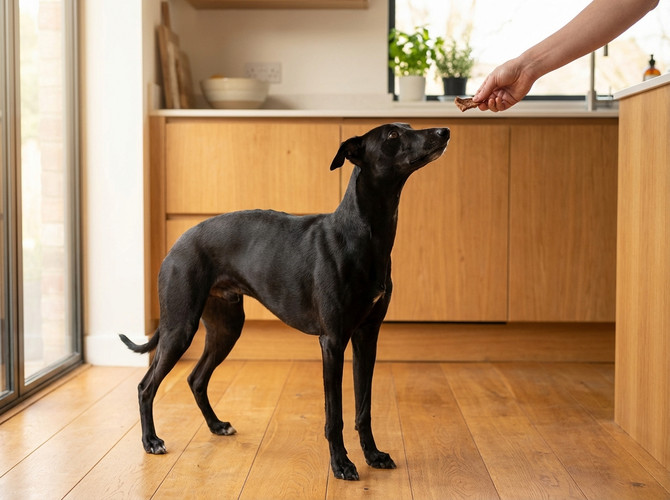
Ziwi Peak vs Raw: Is Air-Dried Dog Food Worth the Price?
Posted by Sierra Pet Meds on Feb 21, 2026
If you've been researching premium nutrition for your dog, chances are you've stumbled across a Ziwi Peak review or two praising its quality ingredients and convenience. Air-dried dog food has surged in popularity as a middle ground between raw feeding and traditional kibble — but is the higher price tag actually justified? Let's break down exactly how air-dried stacks up against raw so you can make a confident decision for your dog.
What Is Air-Dried Dog Food?
Air-drying is a gentle preservation method that removes moisture from raw ingredients without using high heat. The process slowly evaporates water at controlled temperatures, which helps retain more of the natural nutrients, enzymes, and flavor found in fresh meat.
The result is a nutrient-dense, shelf-stable product that looks a bit like jerky. Unlike freeze-drying, air-drying doesn't require rehydration before serving — you simply scoop and serve, much like kibble.
Ziwi Peak is one of the most recognized names in this space, using ethically sourced, free-range meats and organs in recipes that contain up to 96% meat, seafood, and bone. Many dog owners consider it the gold standard for air-dried nutrition.
Raw Feeding Basics: Pros and Pitfalls
Raw feeding — sometimes called BARF (Biologically Appropriate Raw Food) — involves offering uncooked muscle meat, bones, organs, and sometimes fruits and vegetables. Proponents argue it mimics what dogs evolved to eat, supporting healthier coats, cleaner teeth, and firmer stools.
However, raw diets come with real challenges. Handling uncooked meat introduces food safety concerns, including bacterial contamination for both pets and people. Balancing calcium-to-phosphorus ratios, vitamins, and minerals correctly takes research and precision.
Preparation is also time-consuming. A well-formulated raw diet requires sourcing quality proteins, portioning meals, and keeping everything frozen until feeding time. For busy pet owners, this can quickly become unsustainable.
Quick tip: If you're transitioning from kibble to any premium diet — air-dried or raw — introduce the new food gradually over 7–10 days. Mix increasing amounts of the new food with decreasing amounts of the old to minimize digestive upset.
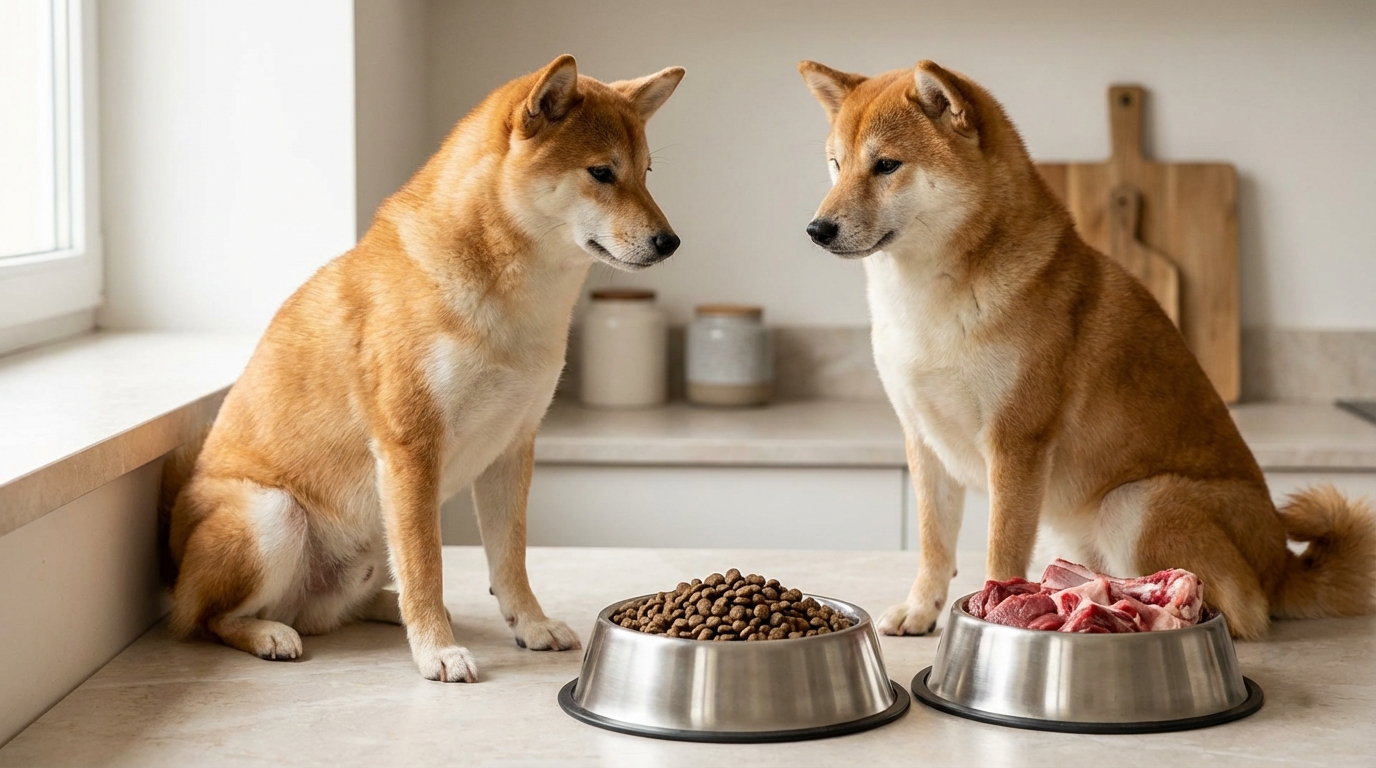
Nutritional Comparison: Air-Dried vs Raw
On paper, a well-formulated raw diet and a high-quality air-dried food like Ziwi Peak deliver similar nutritional profiles. Both prioritize whole-prey ratios of meat, bone, and organ, and both avoid the heavy processing that strips nutrients from conventional kibble.
The key difference lies in consistency. Every batch of a commercially produced air-dried dog food is tested and balanced to meet established nutritional guidelines. With homemade raw, nutritional completeness depends entirely on the person preparing it — and small miscalculations can lead to deficiencies over time.
Air-dried recipes also concentrate nutrition because the moisture has been removed. This means you feed smaller portions by volume compared to raw, which can be particularly handy for smaller breeds or dogs with modest appetites.
Both options typically outperform standard kibble in digestibility. Dogs on either diet often show improvements in coat quality, energy levels, and stool consistency.
Cost, Convenience, and Shelf Life
Let's address the elephant in the room: air-dried food is expensive. A bag of Ziwi Peak costs significantly more per kilogram than most kibble brands, and even more per serving than many commercial raw options. But the price reflects what's inside — high meat content, minimal fillers, and a gentle preservation process.
Raw feeding can be cheaper per meal if you source proteins in bulk, but factor in freezer space, prep time, and the cost of supplements to fill nutritional gaps, and the savings narrow quickly. Pre-made commercial raw patties or nuggets close the convenience gap but often rival air-dried food in price.
Where air-dried truly wins is shelf life and portability. A sealed bag stores at room temperature for months — no freezer required. It travels easily, doesn't spoil in a bag on a hike, and requires zero preparation. For anyone who values convenience alongside quality, it's hard to beat.
Browse our full range of dog food and treats to compare options and find the right fit for your pet's needs and your budget.
Which Option Suits Your Dog?
Air-dried may be the better choice if:
- You want raw-equivalent nutrition without the prep work.
- You travel frequently or need a food that stores easily.
- You have young children or immunocompromised family members and want to minimize raw-meat handling risks.
- You prefer a guaranteed, nutritionally complete formula in every bowl.
Raw may be the better choice if:
- You have the time and knowledge to formulate balanced meals.
- Your dog has very specific dietary needs that require custom ingredient selection.
- You can source quality proteins affordably and have adequate freezer storage.
Many owners actually combine both approaches — using Ziwi Peak as a convenient daily base and adding raw toppers for variety. This hybrid strategy can deliver excellent nutrition while keeping meal prep manageable.
Frequently Asked Questions
Is air-dried dog food as nutritious as raw?
Yes, a high-quality air-dried food retains the vast majority of nutrients found in raw ingredients because the drying process avoids high heat. Commercially produced air-dried recipes also offer the advantage of guaranteed nutritional balance in every batch, which can be difficult to achieve with homemade raw meals.
Can I mix air-dried food with kibble or raw?
Absolutely. Many pet owners use air-dried food as a topper on kibble to boost protein and flavor, or rotate between air-dried and raw meals throughout the week. Just adjust portion sizes so you're not overfeeding total daily calories.
Why is Ziwi Peak more expensive than other premium dog foods?
The cost reflects extremely high meat inclusion rates (often 96%+), ethically sourced ingredients, and the slow air-drying process itself. Because the food is so nutrient-dense, serving sizes are smaller than kibble, which offsets some of the per-bag cost over time.
No matter which diet path you choose, pairing quality nutrition with consistent preventive health care gives your dog the best foundation for a long, active life. Have a quick chat with your vet if you're unsure which feeding approach suits your dog's unique needs, and explore our dog food and treats collection to get started today.