
Low-Impact Exercises for Dogs With Joint Problems
Posted by Sierra Pet Meds on Jan 13, 2026
Finding the right exercise for a dog with joint problems can feel like walking a tightrope — too little movement leads to stiffness and weight gain, while too much can trigger pain and further damage. The good news is that low-impact exercise for dogs keeps muscles strong, maintains a healthy weight, and supports mobility without punishing already-stressed joints. Here's how to keep your dog active, comfortable, and happy.
Why Movement Matters for Stiff Joints
It might seem counterintuitive, but rest alone doesn't help dogs with joint issues. Joints rely on regular, gentle motion to circulate synovial fluid — the natural lubricant that reduces friction between bones.
When a dog becomes sedentary, the muscles surrounding compromised joints weaken rapidly. Weak muscles mean less support, more instability, and a higher risk of injury. Controlled movement breaks that cycle.
Weight management also plays a huge role. Every extra kilogram adds stress to hips, knees, and elbows. Consistent, low-impact dog exercise helps burn calories without the jarring forces of high-energy play.
Best Low-Impact Exercises to Try
Not every workout suits every dog, but these options are widely considered joint-friendly:
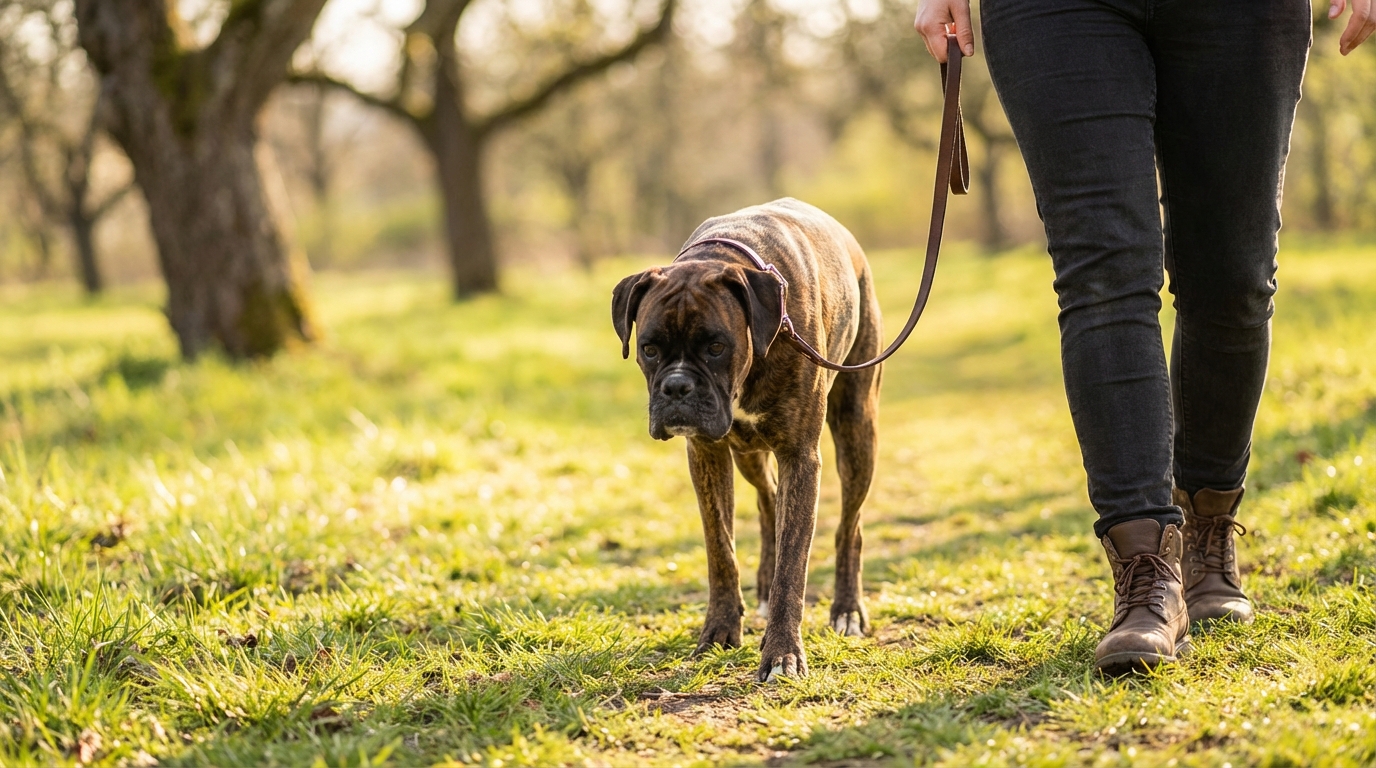
- Leash walking on flat terrain. Short, steady walks on even surfaces are the foundation of any joint-care plan. Aim for multiple brief sessions rather than one long trek.
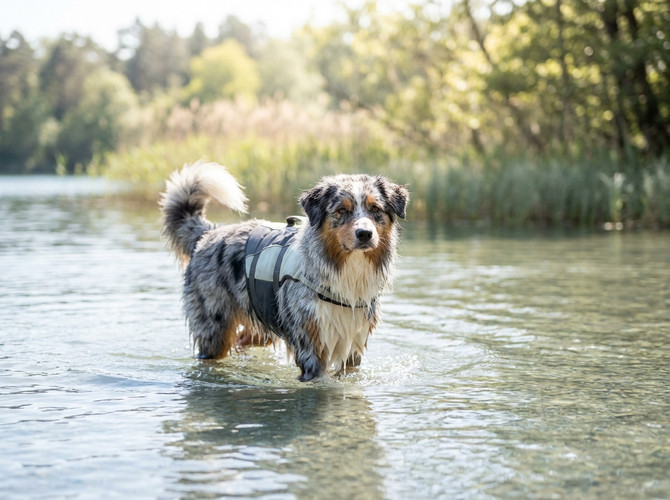
- Swimming or hydrotherapy. Water supports body weight while providing resistance, making it one of the best exercises for dogs dealing with joint problems. If your dog enjoys water, supervised swimming sessions can build strength with virtually zero impact.
- Controlled sit-to-stand repetitions. Asking your dog to sit and then stand — slowly — engages the hindquarters without jumping or twisting. Start with just a few reps and increase gradually.
- Gentle tug-of-war. A soft, slow tug game encourages your dog to brace and engage core muscles. Keep the intensity low and avoid jerky movements.
- Balance exercises. Having your dog stand on a slightly unstable surface (like a cushion or wobble board) activates stabilizer muscles around joints. Always supervise these sessions closely.
Quick tip: Exercise on soft ground — grass, sand, or rubber matting — whenever possible. Hard surfaces like concrete send more shock through joints with every step.
Signs Your Dog Needs You to Slow Down
Dogs are stoic. Many will push through discomfort to keep up with their owner, so watch for subtle signals:
- Limping or favoring one leg during or after exercise
- Reluctance to start walking or sudden stops mid-walk
- Stiffness that lasts more than 30 minutes after resting
- Licking or chewing at a specific joint
- Lagging behind when they normally walk beside you
If you notice any of these signs, shorten the session and reduce intensity. A good rule of thumb: your dog should move better after a gentle workout, not worse. If stiffness consistently worsens post-exercise, the activity level is too high.
Supporting Joint Health Beyond Exercise
Exercise is just one piece of the puzzle. Pair it with the right support products to give your dog's joints the best chance at staying comfortable long-term.
Joint supplements containing glucosamine, chondroitin, and omega-3 fatty acids are popular choices that many pet owners use alongside a careful exercise program. You can browse our full range of dog health products to find options that suit your dog's needs.
Orthopedic bedding also makes a meaningful difference. A supportive bed cushions joints during rest, helping your dog recover properly between exercise sessions.
Maintaining a lean body condition is arguably the single most impactful thing you can do. Even modest weight loss can noticeably improve a dog's willingness to move and play.
Building a Sustainable Exercise Routine
Consistency matters more than intensity. Start with two to three short sessions per day — even five to ten minutes each — and observe how your dog responds over the following 24 hours.
Warm up before each session with a slow, two-minute walk. Cold muscles and tendons are more prone to strain, especially in dogs that are already dealing with joint stiffness.
Gradually increase duration by no more than 10% per week. This slow progression gives connective tissue time to adapt without triggering inflammation.
Keep a simple log noting the type of exercise, duration, and your dog's energy and comfort level afterward. Patterns will emerge quickly, helping you fine-tune the routine. Alongside regular exercise, staying current on your dog's overall wellness — including preventive health products — ensures joint problems don't become complicated by other conditions that sap energy and mobility.
Frequently Asked Questions
How long should I exercise a dog with joint problems?
Start with sessions of five to fifteen minutes, two or three times daily. Observe your dog for limping or prolonged stiffness afterward and adjust accordingly. Multiple short sessions are almost always better than one long one.
Is walking enough low-impact exercise for a dog?
Leash walking on flat, soft ground is an excellent foundation. However, adding variety — such as swimming or gentle balance work — engages different muscle groups and provides broader joint support. Mix activities to keep your dog engaged and well-rounded.
Can puppies need low-impact exercise too?
Yes. Puppies of large or giant breeds are prone to developmental joint conditions, and excessive high-impact play during growth can cause lasting damage. Controlled walks and supervised play on soft surfaces protect developing joints while still allowing healthy activity.
Keeping a dog with joint issues active doesn't have to be complicated — it just takes a thoughtful approach and a willingness to adjust. If mobility problems persist or worsen, have a chat with your vet to rule out underlying conditions. In the meantime, explore our full range of dog wellness products to support your pup's comfort from every angle.