
How to Calm an Anxious Dog During Storms and Fireworks
Posted by Sierra Pet Meds on Dec 01, 2024
Few things are harder to watch than a dog overwhelmed by anxiety during storms — pacing, panting, trembling behind the couch. Whether it's rolling thunder or a neighborhood fireworks display, noise-related anxiety in dogs can escalate quickly and leave both pets and owners feeling helpless. The good news is that proven strategies and calming products can make a real difference.
Why Dogs Develop Storm and Noise Anxiety
Dogs hear frequencies well beyond the human range, so a clap of thunder or a burst of fireworks is far louder and more startling for them. On top of sheer volume, storms carry changes in barometric pressure, static electricity, and ozone that many dogs can sense long before the first raindrop falls.
Genetics play a role, too. Herding breeds, rescue dogs, and puppies that missed key socialization windows tend to be more noise-reactive. Without intervention, the fear often worsens with each event because the dog's brain reinforces the "noise equals danger" association every time.
Recognizing the Signs of Fireworks Anxiety in Dogs
Some signs are obvious — hiding, whining, scratching at doors, or trying to escape. Others are subtle and easy to miss. A dog that yawns repeatedly, lip-licks, or suddenly refuses treats during fireworks is showing anxiety even if it isn't outwardly panicking.
Watch for these common indicators:
- Panting or drooling when the weather is otherwise cool
- Pacing or circling without settling
- Destructive behavior — chewing door frames, digging at carpet
- Trembling or freezing in place
- Loss of house training during or right after the event
Identifying these signals early lets you step in with calming techniques before the anxiety peaks.
Prepare a Safe Space Before the Noise Starts
Prevention beats reaction every time. Set up a quiet, interior room — ideally one without windows or with heavy curtains — and make it your dog's retreat well before storm season or a fireworks event. Add familiar bedding, a favorite toy, and a white-noise machine or calming music playlist.
Close windows and blinds to muffle sound and block lightning flashes. Leaving a TV or radio on at moderate volume provides a consistent layer of background noise that can mask sudden booms.
Quick tip: Introduce the safe space during calm moments so your dog associates it with relaxation, not just scary events. Toss treats inside, feed meals there, and let your dog explore freely — the goal is a positive connection before stress arrives.
If your dog is crate-trained and finds comfort in the crate, drape a breathable blanket over the top to create a den-like feel. Never force a dog into a crate during a panic; it should always be a voluntary refuge.
Calming Products That Actually Help
A solid environmental setup goes a long way, but many dogs benefit from additional support. Several product categories are backed by behavioral research and veterinary endorsement.
Pheromone diffusers and sprays. Synthetic dog-appeasing pheromone products like those from Adaptil mimic the calming chemical a mother dog releases to comfort her puppies. Plug a diffuser into the safe room a few days ahead of time, or spritz a pheromone spray on bedding right before the event.
Calming supplements. Chews and liquids containing ingredients such as L-theanine, casein, or melatonin can take the edge off mild-to-moderate anxiety. Browse our full range of dog health and calming products to find options that suit your pet's size and needs.
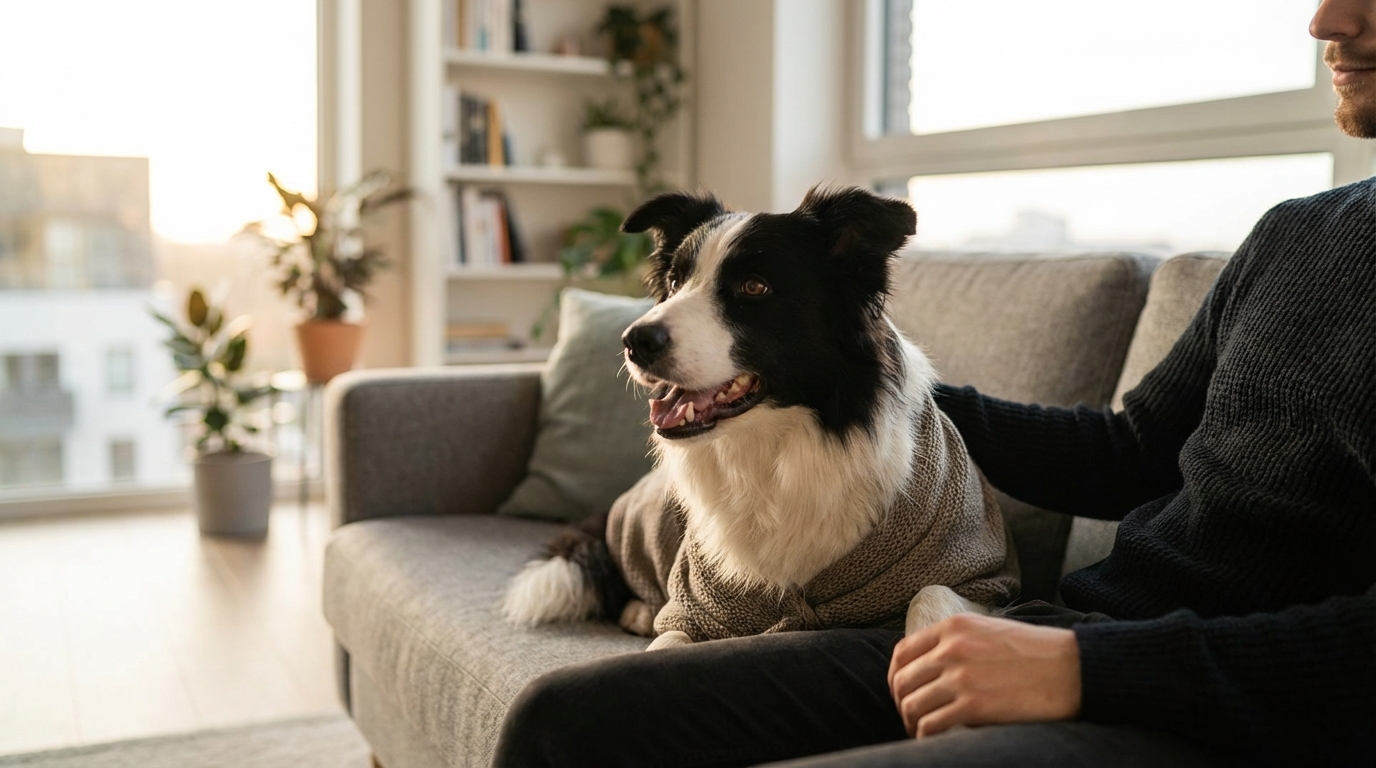
Pressure wraps. Snug-fitting garments apply gentle, constant pressure — similar to swaddling an infant — which can reduce heart rate and ease tension in some dogs. They work best when introduced during a calm period first.
Combination approach. Many pet owners find the best results by layering strategies: a pheromone diffuser in the safe room, a calming chew given 30–60 minutes beforehand, and a pressure wrap once the noise begins.
Long-Term Strategies to Reduce Noise Sensitivity
Desensitization training. Between events, play recordings of thunder or fireworks at a very low volume while your dog eats, plays, or receives treats. Over weeks, gradually increase the volume. The idea is to break the fear association by pairing the sound with something positive.
Counterconditioning. Pair the sound stimulus with a high-value reward — a stuffed Kong, a lick mat spread with peanut butter, or a short training game. Over time the dog starts to anticipate good things instead of danger when it hears a boom.
Consistent routine. Dogs thrive on predictability. Maintain regular feeding, walking, and play schedules even during noisy seasons. Exercise your dog well before an anticipated event so that physical fatigue helps take the edge off mental arousal.
Stay calm yourself. Dogs are experts at reading human body language. If you tense up at the first rumble, your dog picks up on it. Act normally, speak in a relaxed tone, and avoid over-coddling — a steady, confident presence is more reassuring than frantic comforting.
Frequently Asked Questions
Can puppies grow out of storm anxiety?
Some puppies do become less reactive as they mature and gain more exposure to various sounds. However, without deliberate desensitization and positive experiences, many dogs develop stronger fear responses over time. Early intervention gives your puppy the best chance of staying calm as an adult.
How far in advance should I give a calming supplement?
Most calming chews and supplements work best when given 30 to 60 minutes before the anticipated noise event. Check the product label for specific guidance, and do a trial run on a quiet day so you know how your dog responds before the real event.
Is it okay to comfort my dog during fireworks or storms?
Yes — gentle, calm reassurance does not "reinforce" fear. Speak softly, offer a slow pet, and stay relaxed. What you want to avoid is frantic, high-pitched coddling, which can signal to your dog that there really is something to panic about.
No dog should have to white-knuckle it through every storm or fireworks display. With the right preparation, calming aids, and gradual training, most noise-anxious dogs show real improvement. Explore our full selection of dog wellness and calming products to find what works for your pet — and if anxiety is severe or worsening, have a chat with your vet to rule out underlying issues.