

Comparing Ziwi Peak vs raw feeding often comes down to one question: do you want the benefits of raw-style nutrition without the daily prep and food-safety stress? In this Ziwi Peak review, we’ll break down what air-dried food really offers, where it falls short, and when the price makes practical sense.
If you’re trying to balance convenience, ingredient quality, and predictable results, this guide will help you decide.
What “air-dried” really means (and why it costs more)
Air dried dog food sits in the middle between kibble and raw. Instead of being extruded at very high heat like many kibbles, air-dried recipes are gently dehydrated to reduce moisture while keeping the food shelf-stable.
That slower processing typically uses more time and energy, and brands often start with a higher percentage of animal ingredients. Both of those factors can raise the price compared with many dry foods.
Another cost driver is density. Air-dried pieces are usually more calorie-dense than kibble, so the bag can look small even though it may feed longer than you expect.
Nutrition, ingredients, and what you’re paying for
Most people considering a Ziwi Peak-style formula are aiming for high animal-protein, fewer fillers, and simpler ingredient panels. In a practical Ziwi Peak review, the “value” is less about bargain pricing and more about how the food performs for your dog’s stool quality, appetite, coat condition, and overall consistency.
Here’s what to look for on the label when you’re deciding if the premium is justified:
- Named animal proteins up front (not vague “meat” terms), plus organ meats for natural micronutrients.
- Clear fat sources that support energy and skin/coat, especially for active dogs.
- Limited unnecessary carbohydrates, if your dog does better on a meat-forward diet.
- Complete-and-balanced statement for your dog’s life stage, especially if it’s the main diet.
Also consider how you’ll use it. Some pet parents use air-dried as a full diet; others use it as a topper to improve palatability and raise protein without changing the whole routine.
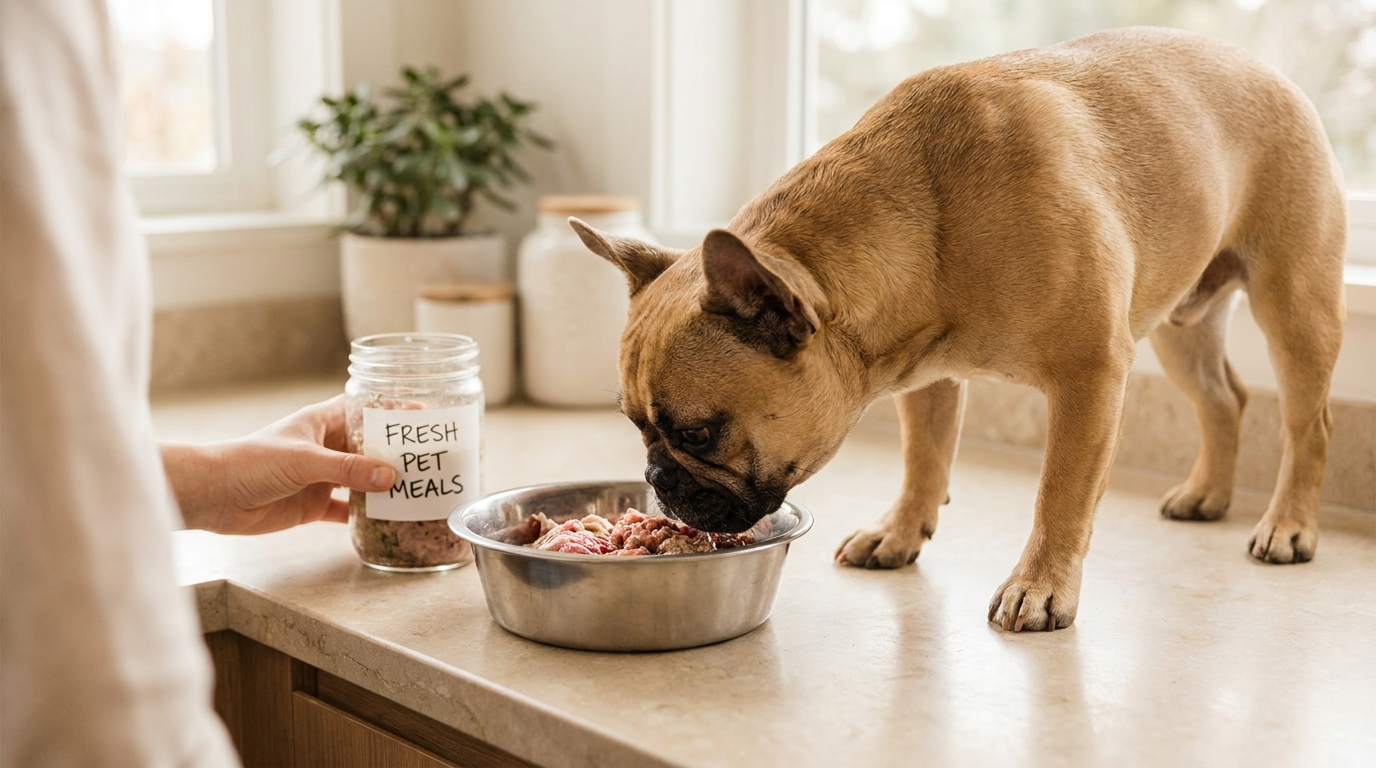
Air-dried vs raw: cost, safety, and daily practicality
The Ziwi Peak vs raw diet comparison is really a comparison of trade-offs. Raw can offer a fresh, minimally processed approach, but it also comes with planning, freezer space, thaw time, and stricter handling habits.
Air-dried food aims to deliver a similar “meat-first” profile in a format that’s easier to store, measure, and travel with. You get fewer messy steps, less odor, and less worry about leaving the bowl out for a bit.
- Cost per day: Raw can be cost-effective if you buy in bulk and plan well; air-dried can be cost-effective if your dog thrives on smaller portions due to higher calorie density.
- Food safety routine: Raw generally requires more careful sanitation of bowls, hands, and surfaces; air-dried is simpler day-to-day.
- Convenience: Air-dried is “pour and serve.” Raw often needs thawing, portioning, and time management.
- Consistency: Air-dried tends to be more uniform from bag to bag, while raw can vary more by batch and handling.
Quick tip: If you’re price-checking air-dried, compare feeding cost per day (based on calories) instead of cost per bag. A smaller bag can still last longer if portions are smaller.
One more practical factor: treats and training. Air-dried pieces can often double as high-value rewards, which may let you cut back on separate treat purchases—another way the premium can balance out.
Who air-dried food fits best (and who should skip it)
Air-dried isn’t automatically “better”—it’s just a different tool. It tends to make the most sense when you want a meat-forward diet but need the predictability and simplicity of shelf-stable feeding.
Air-dried may be worth it if your dog:
- Gets picky with standard kibble and needs a stronger aroma and texture.
- Does best on higher-protein, lower-carb meals.
- Has a sensitive stomach and you want a simpler ingredient approach (after careful transitions).
- Travels with you or spends time in situations where freezing and thawing raw isn’t realistic.
You might skip it (or use it as a topper) if your dog:
- Does great on current food and you’re only switching for “what if” reasons.
- Needs a strict budget and full-time air-dried would force you to cut back elsewhere.
- Is prone to weight gain and you prefer a larger-volume, lower-calorie food for portion satisfaction.
And remember: food is only one piece of your dog’s wellness plan. If you’re also managing itchiness and skin comfort, you’ll typically want consistent parasite prevention alongside good nutrition—see our flea and tick prevention options and heartworm preventives to round out the routine.
Buying checklist: how to choose and transition smoothly
If you’re leaning toward air dried dog food, a few small steps can help you get better results—and avoid paying premium money for a rough transition.
- Start with the right role: Decide whether it’s a full diet or a topper. Many dogs do great with a partial swap first.
- Check the calorie guide: Use your dog’s current weight and body condition to estimate portions, then adjust slowly.
- Transition gradually: Mix in small amounts over several days to help digestion adapt.
- Track the basics: Watch stool quality, itch/scratch frequency, energy, and appetite for 2–3 weeks.
- Store it well: Reseal tightly and keep in a cool, dry place to protect fats from going stale.
For multi-dog homes, measure portions separately. Air-dried can be extra tempting, and “bowl swapping” can quickly turn into unplanned overfeeding.
Frequently Asked Questions
Is air-dried food basically the same as raw?
It’s closer to raw than many kibbles in terms of being meat-forward, but it isn’t the same as feeding uncooked raw. Air-drying removes moisture and changes texture while improving shelf stability and making day-to-day feeding easier.
Why does air-dried seem expensive compared to kibble?
Air-dried foods are often more concentrated in calories and animal ingredients, and the processing method is typically slower. The real comparison is cost per day and how well your dog does on smaller, more nutrient-dense portions.
Can I use air-dried as treats and still feed my regular diet?
Yes—many people use air-dried pieces as training rewards or toppers. Just account for those calories so you don’t accidentally overfeed, especially for dogs that gain weight easily.
If you’re building a practical routine, pair smart nutrition with reliable protection: shop Sierra Pet Meds for flea and tick prevention and heartworm preventives, and chat to your vet if you’re managing complex health needs.