

Looking at Profender and wondering if it’s the right deworming option for your cat? This Profender review breaks down what it treats, what it doesn’t, and what to consider before you buy—so you can make a practical, low-stress choice for parasite control.
Profender is popular with busy cat parents because it’s topical (no tablet battles) and is often used to help control common intestinal worms. Still, no dewormer is a perfect fit for every cat or every household, and coverage can vary by product version and label directions. When in doubt, your veterinarian and the product label are the final word.
What Profender is and what it’s used for
Profender is a topical dewormer designed for cats. Instead of giving a tablet, you apply it to the skin, where it’s absorbed and goes to work against certain intestinal worms.
In many cases, Profender is used to treat common intestinal parasites such as roundworms and tapeworms. Some product versions may also cover hookworms. Exactly which worms are covered can vary by product and labeling, so it’s smart to confirm the specific indications on the package or with your vet before treating.
Many pet parents consider Profender when their cat refuses pills, gets stressed by oral meds, or lives in a multi-pet home where consistent parasite control matters. If you’re comparing options, you can view the full range of Profender products available through Sierra Pet Meds in one place.
Active ingredients (quick overview): Profender contains emodepside and praziquantel. These ingredients are commonly used to target specific intestinal worms. Always follow the product label and your veterinarian’s guidance for your cat’s age, weight, and health status.
How Profender works (and what it doesn’t do)
Topical dewormers like Profender are made to target worms living in the digestive tract. Because it’s applied to the skin, it can be a practical option for cats that are difficult to medicate by mouth—and for pet parents who want a faster, simpler routine.
What it’s not: Profender is not a flea or tick product, and it does not replace heartworm prevention. If your cat needs broader parasite coverage, you’ll typically use separate preventives alongside deworming, based on your vet’s recommendations.
It also doesn’t treat every parasite. “Worms” is a broad category, and not every dewormer covers every species or life stage. If your cat has ongoing digestive issues, weight loss, scooting, a pot-bellied look, or you’ve seen worms or segments, testing can help you avoid guessing.
When veterinarians often recommend fecal testing:
- New kittens and newly adopted cats: Parasites are common, and testing helps confirm what’s present.
- Recurring diarrhea or soft stool: Especially if symptoms keep returning after treatment.
- Multi-cat homes: Reinfection can pass quietly between pets, making it harder to know whether treatment worked.
- Visible worms or segments: Testing can identify what you’re dealing with and guide the most appropriate product choice.
Pros, cons, and what pet parents notice
Here’s what usually stands out in a Profender review, especially when compared with pill-based dewormers.
- Easy application: No wrestling with tablets, which can be a big win for anxious cats.
- Less “spit-out” risk: With topical use, you avoid the common problem of cats hiding or rejecting pills.
- Helpful for multi-cat routines: A quick application can be simpler than dosing multiple cats orally.
Potential drawbacks to keep in mind:
- Topical mess risk: If applied incorrectly, product can end up on fur instead of skin, which may reduce effectiveness.
- Temporary skin sensitivity: Some cats may have mild irritation at the application site.
- Not a full parasite plan: You may still need other preventives for fleas, ticks, and heartworm.
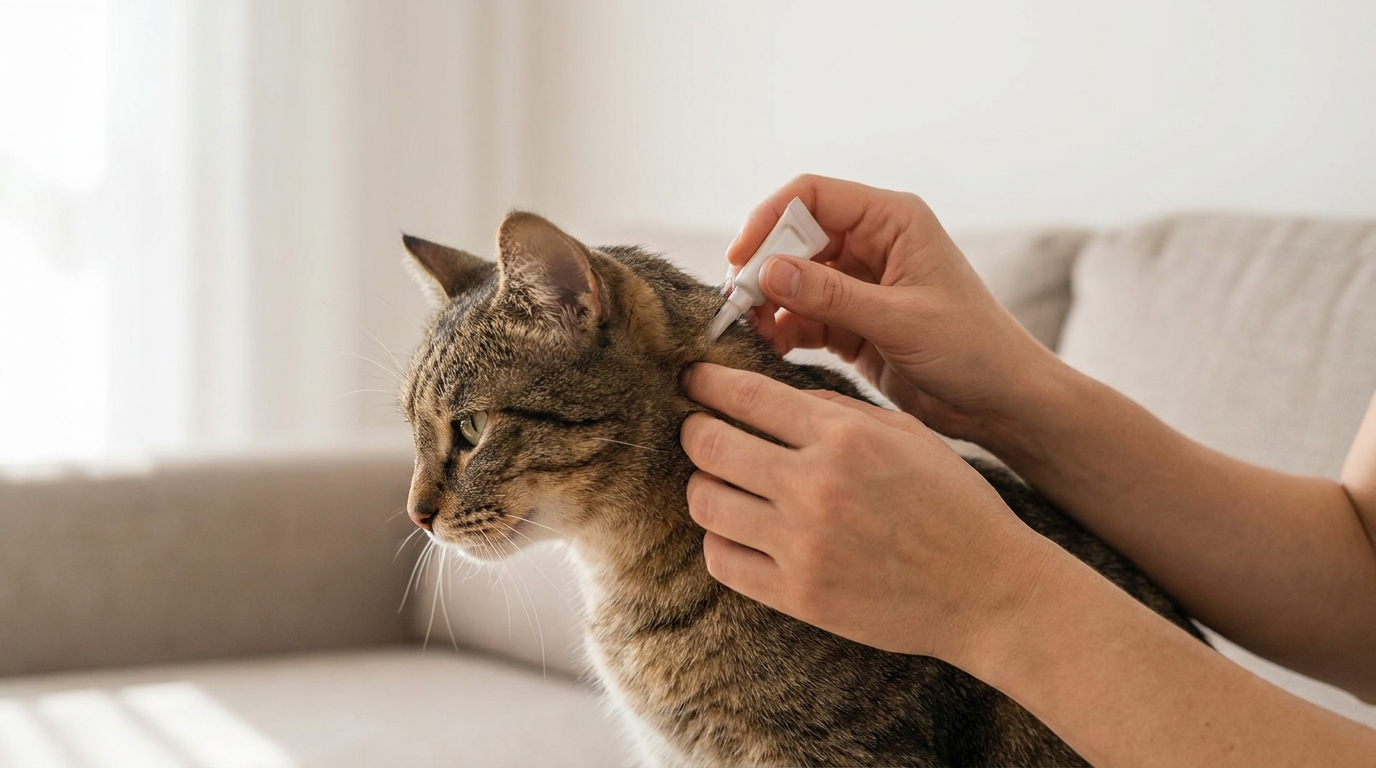
Quick tip: Part the fur until you see skin, then apply where your cat can’t easily lick. Keep pets separated briefly so housemates don’t groom the application area.
What to expect after treatment: Some cats have no noticeable changes. Others may have mild, short-lived effects such as temporary drooling (often related to taste if they lick it), soft stool, or mild stomach upset. Depending on the type of worm and timing, you might also notice worm pieces or worms in the stool or around the litter box for a short period. That can be unpleasant—but it can also be a sign the medication is doing its job.
Contact your vet promptly if your cat seems very lethargic, won’t eat, vomits repeatedly, has severe diarrhea, shows facial swelling or hives, has trouble breathing, or the skin at the application site becomes very inflamed. Also reach out if your cat’s symptoms don’t improve as expected or keep coming back, since reinfection or a different parasite may be involved.
Who it’s best for (and when to choose something else)
Profender is often worth it for cats who are hard to pill, easily stressed, or prone to spitting out oral dewormers. It can also be a smart fit when you want a straightforward routine and minimal handling time.
You might consider a different approach if your cat has recurring parasite issues that need a more tailored plan, if you’re unsure which parasite is involved, or if your cat has complex health concerns. In those situations, talk with your vet about testing and an overall prevention strategy rather than guessing.
Topical vs. oral dewormers (simple comparison): Topical products can be easier to administer and reduce the risk of a cat refusing medication. Oral products can be a good option when a cat tolerates pills well or when your vet wants a specific oral treatment approach. The “best” route is the one that matches your cat’s needs and that you can give correctly and consistently.
Reinfection prevention matters. Deworming is only one part of parasite control. Cats can pick up worms again from hunting, contaminated environments, and exposure to fleas (a common factor in some tapeworm infections). Practical prevention steps include:
- Litter box hygiene: Scoop daily, dispose of waste promptly, and clean boxes regularly to reduce environmental contamination.
- Flea control: Talk with your vet about a consistent flea prevention plan if tapeworm risk is a concern.
- Household management: In multi-cat homes, your vet may recommend coordinated testing and treatment so one pet doesn’t reinfect another.
Buying tips: picking the right option and using it correctly
When shopping for Profender products, focus on getting the right variant for your cat’s weight range and life stage, then follow label directions carefully. Buying the correct size matters for both safety and performance.
Safety and contraindications (general guidance): Use only in cats that meet the product’s labeled minimum age and weight. If your cat is sick, underweight, debilitated, pregnant, nursing, or on other medications, ask your veterinarian whether Profender is appropriate. Always read the full label before use, and do not combine parasite products unless your vet recommends it.
For best results, apply to clean, dry skin at the recommended spot (typically at the back of the neck). Avoid bathing or heavy grooming around application time unless the label says it’s fine.
Dosing cadence: Use Profender only as directed by the product label and your veterinarian. Deworming needs can vary depending on lifestyle, exposure risk, and whether treatment is based on symptoms, a fecal test, or routine prevention.
If you’re stocking up, plan around your cat’s routine care schedule so you don’t miss doses. You can browse current options and availability on the Profender brand page at Sierra Pet Meds.
Frequently Asked Questions
What worms does Profender treat?
Profender is commonly used to treat intestinal worms such as roundworms and tapeworms, and some versions may include hookworm coverage. Because indications can vary by product labeling, check the package directions and confirm with your veterinarian if you’re unsure what’s being targeted.
Is Profender a good choice for cats who hate pills?
Yes, that’s one of the main reasons pet parents choose it. Topical application can be far less stressful than oral dosing, especially for skittish or stubborn cats.
Can Profender replace flea, tick, or heartworm prevention?
No. Profender is intended for intestinal worms, not external parasites or heartworm prevention. Many pets need separate products to cover those risks.
What should I watch for after applying Profender?
Most cats do fine, but mild, short-term effects like temporary drooling, soft stool, or mild stomach upset can happen. You may also see worms or segments in the stool for a short period. Contact your vet right away if you see severe symptoms (repeated vomiting, significant lethargy, trouble breathing, facial swelling, or intense skin reactions) or if your cat doesn’t improve as expected.
How do I reduce the chance my cat licks the application area?
Apply directly to the skin at the back of the neck where licking is difficult. If you have multiple pets, separate them briefly so they don’t groom each other’s application sites.
If you’re leaning toward a simple, topical deworming option, explore Profender products at Sierra Pet Meds and choose the best match for your cat’s needs. If you’re unsure what to use or your cat has ongoing symptoms, talk to your vet for personalized guidance.