

Trying to decide whether Peptosyl is worth it when your pet has an occasional digestive upset? This practical guide breaks down what you’re paying for, what Peptosyl is designed to support, and how to compare it with other approaches so you can choose better value for your routine.
Instead of guessing, use the quick checklists below to match the right approach to your pet’s symptoms, frequency, and budget—while keeping safety front and center.
What “better value” actually means for Peptosyl
Value isn’t just the price on the label—it’s what you get for the money, how reliably a product fits your pet’s specific situation, and whether you’ll end up buying something else anyway. With Peptosyl products, you’re generally paying for a purpose-built option meant for short-term digestive support when symptoms are mild and uncomplicated.
To compare fairly, focus on a few practical points:
- Use-case match: Is this for occasional loose stool, mild vomiting, or general stomach queasiness—or is it a recurring problem that needs a bigger plan?
- Dosing convenience: A product that’s easier to administer often delivers better real-world value (less refusal, fewer spills, less stress).
- Container life: If something expires or sits unused, it isn’t a bargain—even if the upfront cost is lower.
- Likelihood you’ll need “step two”: If you often end up adding diet changes, a probiotic strategy, or a vet visit anyway, the “cheap” option may not be the best value.
If you’re browsing options, it helps to start with the full Peptosyl range so you can compare available formats and sizes side-by-side before you consider other categories.
What Peptosyl is (in plain terms) and what it’s intended to support
Peptosyl is a pet digestive support product line designed for short-term support during mild, occasional digestive upset. Products in this category may use ingredients that help soothe the GI tract, support stool consistency, or help keep the stomach and intestines more comfortable while a brief upset passes.
In plain terms, think of it as a targeted option for dog diarrhea support or cat vomiting support when the episode is mild, short-lived, and your pet otherwise seems normal (bright, hydrated, and not in significant pain). It’s not a substitute for diagnosing what caused the upset, and it’s not a good fit for every situation.
Important safety note: Some human stomach products are not safe for pets. For example, products containing bismuth subsalicylate (a salicylate-containing ingredient) can pose risks—especially for cats—and should not be given unless your veterinarian has specifically advised it. Always read the label and choose products formulated for pets when possible.
Quick tip: Before you check out, think about the last time your pet had diarrhea or vomiting—what made it hard to manage (timing, mess, refusal, travel)? The best value is usually the option that removes that friction, not the one that’s merely cheapest.
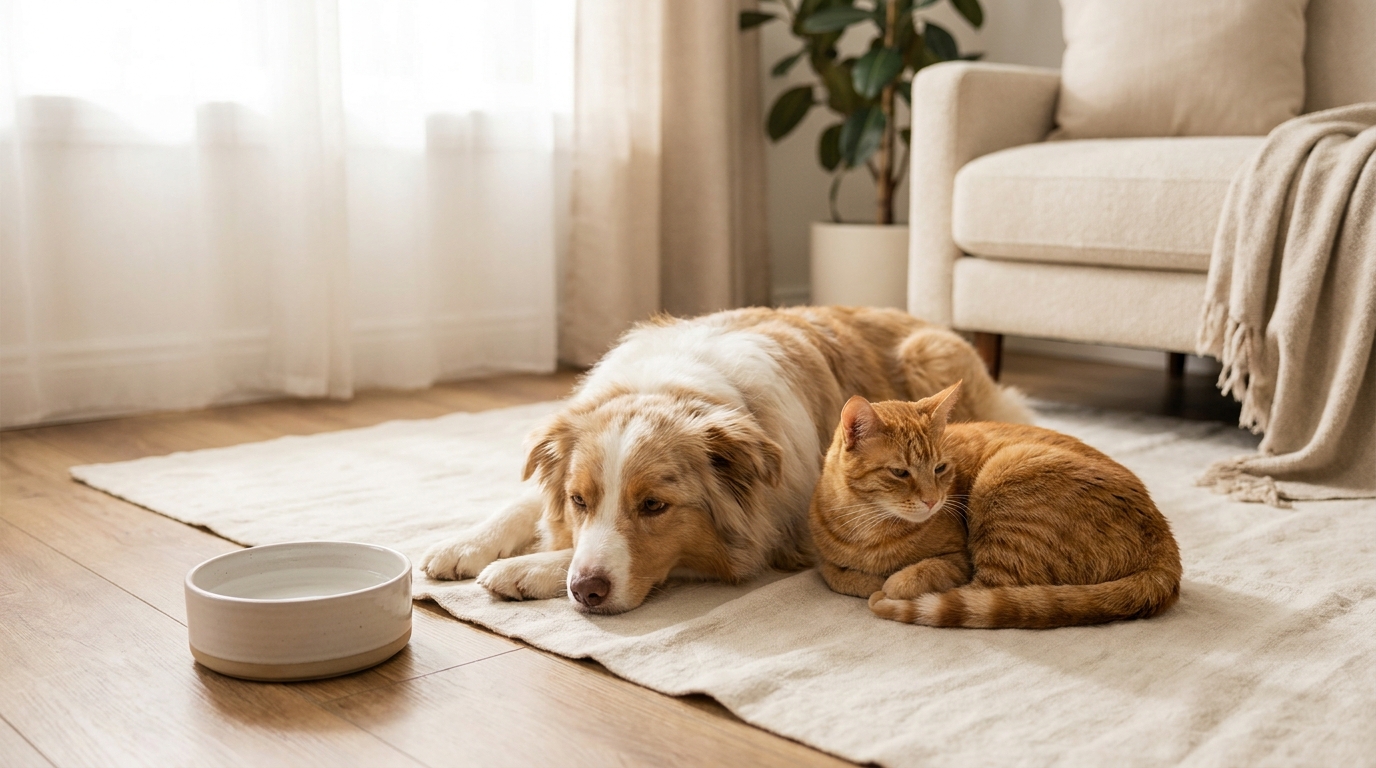
Common causes of acute vomiting/diarrhea (and when patterns matter)
“Upset stomach” is a symptom, not a diagnosis. Knowing the most common triggers helps you choose smarter support—and recognize when it’s time to stop shopping and start investigating.
Common causes of short-notice vomiting and diarrhea in dogs and cats include:
- Dietary indiscretion: eating trash, table scraps, spoiled food, or swallowing non-food items
- Sudden diet changes: switching foods quickly or introducing rich treats
- Parasites: intestinal worms or protozoa (especially with recurring loose stool)
- Infectious causes: bacterial or viral GI infections
- Stress or routine disruption: which can affect gut motility and appetite
- Food sensitivity/intolerance: intermittent or recurring signs tied to certain ingredients
- Pancreatitis or other inflammatory issues: more likely when vomiting is persistent, appetite drops, or abdominal pain is present
If episodes keep happening, the best “value” move is often a veterinary workup to identify the cause. Repeating symptom support without addressing the underlying trigger can prolong discomfort, increase costs over time, and risk missing a more serious condition.
Safety first: dogs vs cats, young pets, and red-flag symptoms
Digestive upset can turn serious quickly, especially when vomiting or diarrhea leads to dehydration. Before choosing any at-home stomach support, consider species and age. Dogs and cats don’t always respond the same way to the same ingredients, and puppies and kittens can become dehydrated faster than healthy adults. If your pet is very young, pregnant, senior, or has chronic health issues, it’s wise to contact your veterinarian before giving digestive products.
Medical disclaimer: This article is for educational purposes only and is not a substitute for veterinary diagnosis or treatment. If you’re concerned about your pet’s condition, contact your veterinarian.
Seek prompt veterinary care (or emergency care when appropriate) if you notice any of the following red flags:
- Blood in vomit or stool (bright red or dark, tarry stool)
- Repeated vomiting or inability to keep water down
- Marked lethargy, collapse, or significant weakness
- Signs of dehydration (very dry gums, sunken eyes, little to no urination)
- Diarrhea lasting more than 24–48 hours, or worsening, especially if frequent or watery
- Severe abdominal pain, bloating, or retching without producing vomit
- Loss of appetite plus ongoing vomiting/diarrhea
If something feels “off” for your pet, trust that instinct. A quick call can prevent complications and may save money compared to trying multiple products that don’t address the underlying cause.
Alternatives to compare (without naming brands)
There isn’t one single “best” substitute for Peptosyl—there are a few categories, and each can offer better value in different situations. When you compare, ask: is the goal short-term support for an acute digestive upset, or longer-term digestive steadiness for recurring sensitivity?
- Diet consistency and simple feeding plans: For mild, uncomplicated upset, a brief reset with a simpler, consistent routine can be cost-effective. The tradeoff is planning and follow-through (and abrupt changes can sometimes worsen diarrhea).
- Digestive support supplements (maintenance-focused): If your pet has recurring issues, daily gut support approaches may provide better long-term value than repeatedly managing episodes. This is often more about supporting resilience than “quick fixes.”
- Management tools: Measured meals, slow feeding strategies, and reducing scavenging opportunities can reduce repeat episodes. These can be excellent value because they’re often one-time habit changes that pay off over time.
The biggest difference between a short-term support product and many alternatives is focus: one helps you manage a mild episode, while others aim to reduce how often episodes happen. Decide which problem you’re solving first, then compare price, convenience, and likelihood of waste.
A simple value comparison framework (cost-per-use, convenience, waste)
If you want a practical way to judge “better value” without getting lost in marketing, use this three-part framework:
| Value factor | What to compare | Why it matters |
|---|---|---|
| Cost-per-use | How many uses you’ll realistically get before it expires | A lower shelf price can cost more if most of it goes unused |
| Convenience | Format, ease of administration, mess potential | If it’s hard to give during a stressful moment, value drops fast |
| Waste | Spillage, refusal, storage needs, leftover product | Waste is hidden cost (and often the biggest one) |
How to use the framework:
- Rare episodes: Value often means a size you’ll actually use up and a format you can administer quickly when diarrhea or vomiting starts—without turning it into a stressful event.
- Recurring sensitivity: Value may shift toward a plan that reduces episodes (diet consistency, ongoing digestive support, and veterinary input), because repeatedly treating symptoms can add up—and can delay finding the underlying trigger.
If you want to compare formats and sizes in one place, start with the Peptosyl collection and note which options look easiest to use in your day-to-day routine.
Frequently Asked Questions
Is Peptosyl good value compared to cheaper options?
It can be—especially when it’s easy to administer and helps you manage mild, occasional diarrhea or vomiting without a lot of waste. “Cheaper” isn’t better value if it’s hard to give, gets refused, or doesn’t match what your pet is experiencing.
What should I look for when comparing Peptosyl products?
Compare format, container size, and how likely you are to use it correctly when you’re tired, busy, or in a hurry. Also consider how often your pet has digestive upset: rare episodes often call for minimizing waste, while recurring issues may call for a broader plan.
When should I skip at-home stomach support and seek professional advice?
Seek veterinary guidance right away if you see blood in stool or vomit, repeated vomiting, significant lethargy, signs of dehydration, severe pain/bloating, or diarrhea that lasts longer than 24–48 hours or worsens. If symptoms are severe, unusual for your pet, or not improving, it’s safer and often more cost-effective to get help early.
Ready to compare options? Browse Peptosyl products and choose the size and format that best fits your routine and comfort level.