

This Peptosyl review explains what the brand is, what the main product formats are designed to help with, and when it makes sense to use a pet-labeled stomach support product at home. Peptosyl is often considered for short-term digestive upset in dogs and cats—especially when you want a straightforward option and clear label directions. Here’s what to know before you buy, plus when to skip home care and call your vet.
What Peptosyl is (and what it’s for)
Peptosyl is a pet-focused digestive support brand used for short-term stomach upset—most commonly loose stool/diarrhea, occasional vomiting, and mild digestive discomfort. It’s typically used when symptoms are mild and your pet otherwise seems alert, hydrated, and interested in normal activities.
Many pets get occasional tummy trouble from routine life events: a sudden diet change, scavenging something questionable, travel stress, or a new treat. In those situations, a product like Peptosyl may help you manage symptoms while you monitor closely.
Peptosyl is not meant to diagnose the underlying cause of digestive signs, and it’s not a stand-alone answer for ongoing or recurring problems. If stomach issues keep returning, it’s important to work with your veterinarian to identify the trigger (diet, parasites, infection, inflammation, medication side effects, and more can look similar at home).
Active ingredients and formats (what each targets)
Peptosyl products are generally positioned as symptom-support for the GI tract. Depending on the specific product, labels commonly feature one of these digestive support ingredient types:
- Bismuth subsalicylate: Often used to help soothe upset stomach and support loose stool by coating and calming the GI tract. Some pet parents look for this style of product when their dog or cat has mild diarrhea or mild nausea.
- Kaolin/pectin-style GI support: These ingredients are commonly used to support stool quality and help bind/firm loose stool during short-term digestive upset.
Because formulas vary, treat Peptosyl as a brand family, not one interchangeable product. In practice, you’ll usually see a few format types:
- Liquid suspensions: Often chosen for fast, short-term support when your pet is willing to take a liquid by syringe or mixed with a small amount of food (only if the label allows).
- Tablets or caplets: A convenient option for dogs that take pills easily, or for pet parents who prefer pre-measured, mess-free handling.
- Pet-friendly chews (when available): Designed for simpler administration in picky pets, while still targeting mild digestive upset.
Important: Always follow the specific product label for species suitability (dog vs. cat), intended symptoms, maximum duration, and any warnings. If the label directions don’t match your pet’s situation, don’t improvise—contact your vet for guidance.
Who benefits most from Peptosyl products
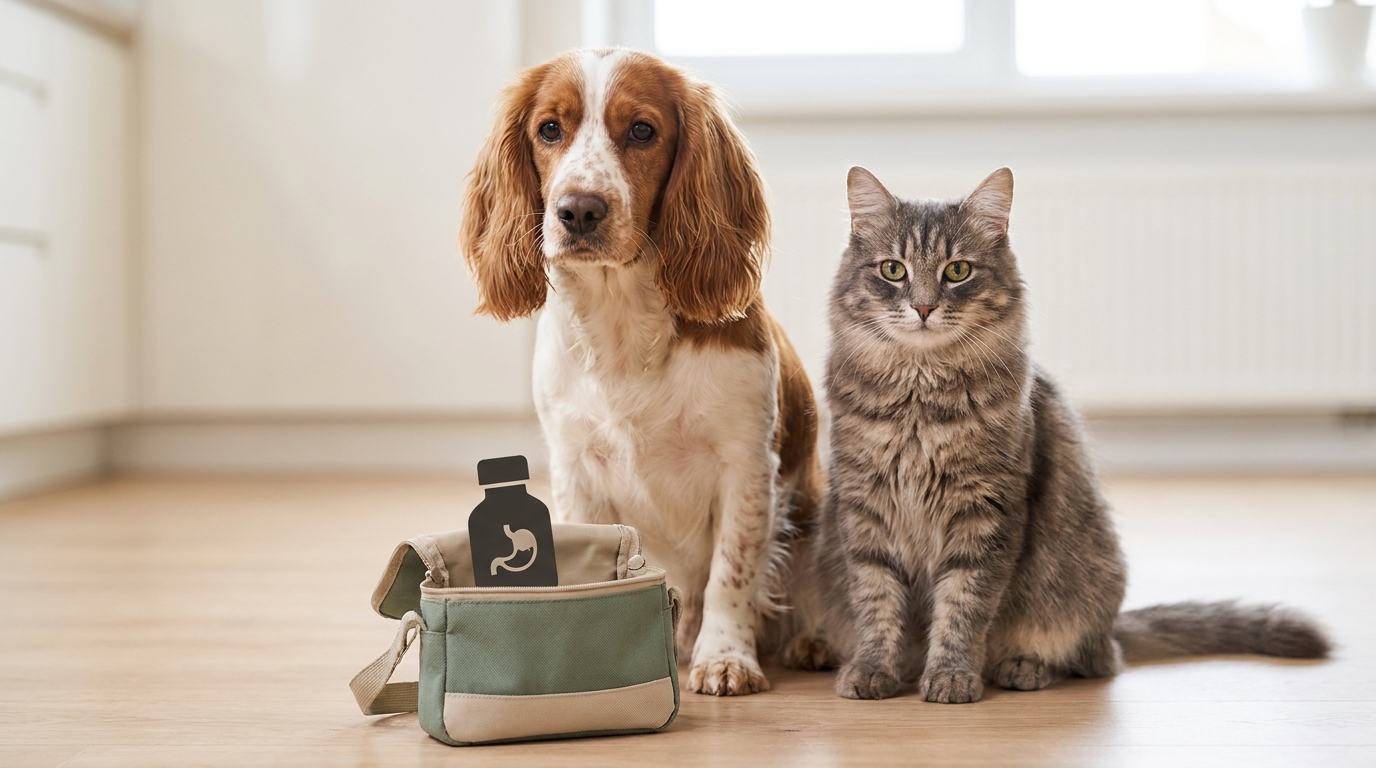
Peptosyl products tend to make the most sense for dogs and cats with occasional digestive sensitivity, especially when symptoms are mild and recent. Many pet parents keep a GI-support option on hand for “just in case” moments, then use it only when the label directions fit the situation.
- Good fit: mild, short-lived loose stool; mild stomach upset after a minor diet slip; travel or routine changes where your pet is otherwise acting normal.
- Not a good fit: frequent flare-ups, worsening symptoms, dehydration, severe lethargy, or any situation where your pet seems painful or “not themselves.”
Multi-pet households also tend to value having a single, familiar option available when a pet raids the trash or sneaks a food they don’t usually eat. Even then, it’s best used as a short-term supportive step while you watch closely for red flags and track what’s happening (timing, stool appearance, vomiting episodes, appetite, and water intake).
Safety, red flags, and when to call the vet
Digestive symptoms can look deceptively similar even when the cause is very different. If you’re unsure, it’s safer to contact your veterinarian before using any anti-diarrhea or upset-stomach product—especially in vulnerable pets or when symptoms are more than mild.
Contact a vet promptly (and skip home treatment) if you notice:
- Blood in vomit or stool, or stool that looks black/tarry
- Repeated vomiting, vomiting that continues, or your pet can’t keep water down
- Marked lethargy, weakness, collapse, or signs of dehydration (dry gums, sunken eyes, very low energy)
- Abdominal pain (tense belly, hunched posture, whining, guarding the abdomen)
- Suspected toxin exposure or foreign material ingestion (string, bones, toys, sharp objects)
- Fever or a suddenly very sick appearance
Use extra caution and ask your vet first if your pet is a puppy/kitten, a senior, pregnant/nursing, has a history of GI disease, or has ongoing conditions (including liver, kidney, bleeding/clotting concerns), or is currently taking other medications. Some ingredients used for digestive symptom relief can be inappropriate in certain medical situations or may interfere with other treatments.
Timeline guidance: For mild cases, many pet parents look for improvement within about a day. If diarrhea or vomiting persists beyond that, returns repeatedly, or worsens at any point, stop self-treating and contact your veterinarian. Also contact your vet sooner if your pet is small, very young, older, or seems unwell—those pets can deteriorate more quickly.
How to choose between Peptosyl options
Not all products within a brand are interchangeable. When you’re shopping Peptosyl, focus on (1) the symptom you’re trying to support, (2) the species and life stage listed on the label, and (3) the format you can administer calmly and consistently.
Start by browsing the full Peptosyl brand collection so you can compare options side-by-side. Product pages typically spell out intended use, key ingredients, species suitability, and handling notes.
Quick tip: Choose the format you can actually give reliably. A liquid may be practical for one pet, while a tablet or chew is far easier for another—especially when they’re already feeling off.
Also consider your household routine. If your dog is already on monthly preventatives, it can be easier to keep core health items organized in one place and reorder together. Sierra Pet Meds specializes in vet-grade flea, tick, and heartworm prevention, so many customers pair digestive support purchases with their ongoing parasite protection plan for simpler restocking.
Pros, cons, and practical expectations
Here’s the practical bottom line in this Peptosyl review: it can be worth it when it’s used for the right situation—mild, occasional, short-lived digestive upset—and when you follow the product label closely.
Potential upsides:
- Targeted symptom support: Pet-labeled options designed around common GI complaints like loose stool or mild nausea.
- Multiple formats: Helpful if your pet refuses certain textures or if you prefer a less messy option.
- Clearer guidance than guessing: A defined product with label instructions is generally more consistent than improvising with unverified home remedies.
Limitations to keep in mind:
- It’s not a diagnosis: Diarrhea and vomiting can come from parasites, dietary intolerance, stress colitis, infection, inflammation, pancreatitis, toxins, foreign bodies, and more.
- It’s short-term support, not long-term management: If symptoms keep returning, you’ll likely need a vet plan (diet strategy, testing, or prescription therapy) rather than repeated at-home symptom control.
- Not ideal for every pet: Young, senior, medically complex pets, and pets on multiple meds should be assessed before use.
How Peptosyl differs from other GI-support approaches:
- Diet changes: A bland or GI-friendly diet approach is often about reducing digestive workload, while Peptosyl-style products are typically about short-term symptom soothing/support.
- Microbiome support: Gut-support products aimed at intestinal balance are often used for recovery and resilience, while Peptosyl-style products are usually chosen for immediate symptom episodes.
- Vet-directed treatment: If there’s suspicion of infection, parasites, inflammation, pain, or obstruction, your veterinarian may recommend targeted diagnostics and prescription medication rather than over-the-counter symptom support.
Label-first reminder: Manufacturer directions and warnings should always be your primary guide. If your pet doesn’t match the label’s intended use, or if you’re unsure what you’re seeing (especially with vomiting), contact your veterinarian before giving any GI medication.
Frequently Asked Questions
Is Peptosyl safe for both dogs and cats?
Some Peptosyl options may be labeled for dogs, cats, or both, depending on the specific product. Always confirm the product is intended for your pet’s species and life stage, and follow the label. If your pet is very young, older, pregnant/nursing, or has existing medical conditions or takes other medications, check with your vet before use.
How fast should I expect results?
For mild, short-term digestive upset, many pet parents look for improvement within about a day. If symptoms worsen at any point, include blood/black stool, involve repeated vomiting, or don’t improve quickly, stop home treatment and contact your veterinarian.
When should I avoid using an upset-stomach product and call the vet instead?
Call your vet promptly if you see blood in vomit or stool, black/tarry stool, repeated vomiting, signs of dehydration, notable abdominal pain, severe lethargy, suspected toxin exposure, or possible foreign-body ingestion. Also call sooner for puppies/kittens, seniors, or pets with ongoing health conditions.
Can I use Peptosyl with my pet’s other preventatives?
Many pets take digestive support products alongside routine flea, tick, and heartworm prevention without issues, but combinations vary by individual health status and by the specific Peptosyl formula. If your pet takes multiple medications or has ongoing health conditions, confirm compatibility with your veterinarian.
If you’re leaning toward Peptosyl after reading this review, explore the full range on our Peptosyl page and choose the format that best fits your pet’s needs and your routine—then talk with your vet if you’re unsure what’s driving the symptoms.