

If your dog has a positive Lyme test but no symptoms, the result is a reason to follow up, not proof that your dog is sick. Most routine Lyme screens look for antibodies, which show that your dog’s immune system has responded to exposure. The next steps depend on which test was used, what the exam shows, and whether there’s protein in the urine.
What a positive Lyme test means
A routine Lyme screen often comes as part of a panel that checks for several infections from a single blood sample. The Lyme portion usually detects antibodies to the bacteria that cause Lyme disease. Those antibodies can remain detectable after exposure and cannot, on their own, show when exposure occurred or whether it is causing illness now.
Check the test name on the report rather than relying on the word “positive.” A C6-based test detects antibodies associated with natural exposure, not a response to Lyme vaccination. Other antibody tests measure different targets, so the test type and vaccination history matter when interpreting the result.
What happens at the follow-up exam
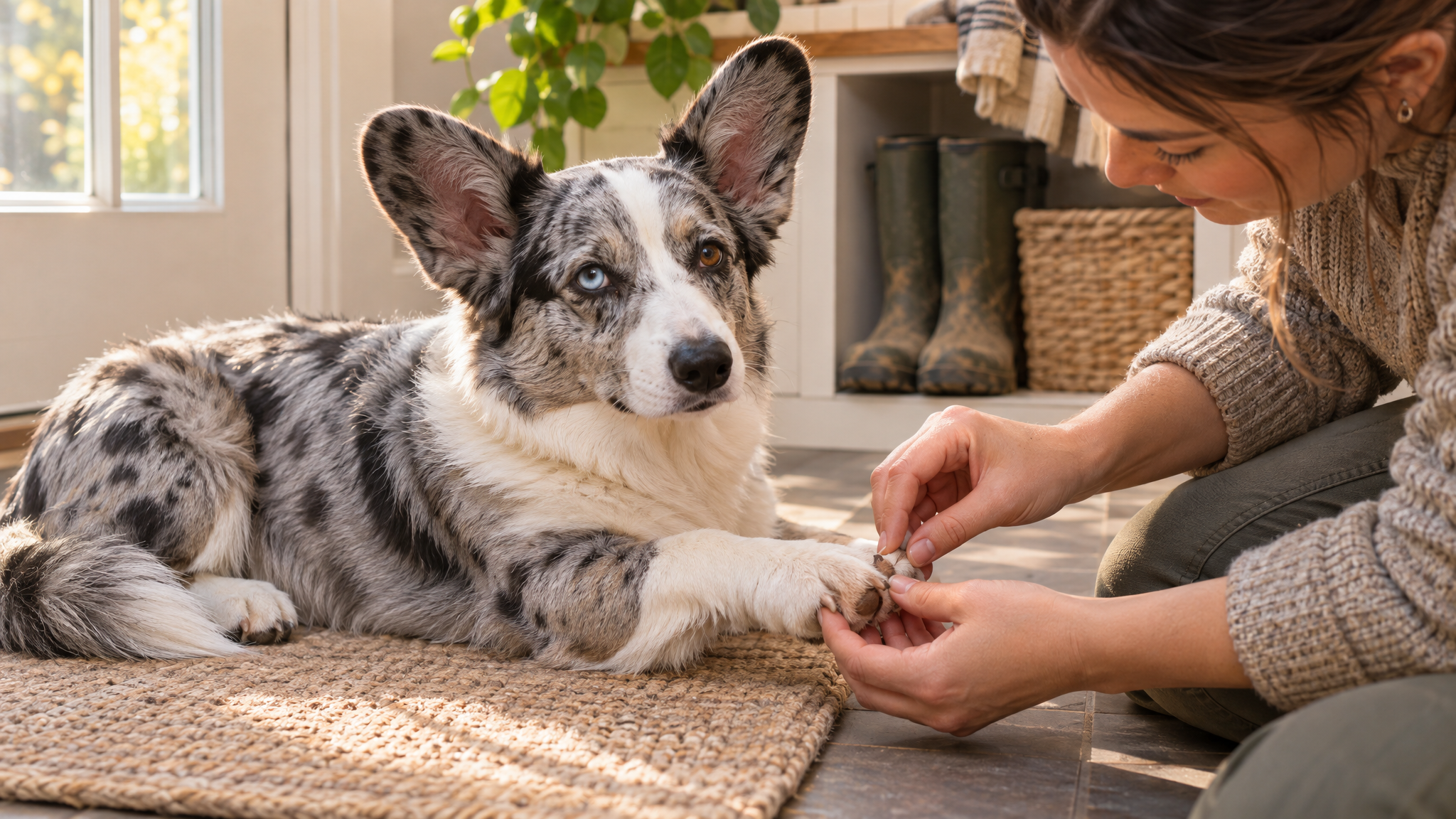
A dog who seems healthy at home may have subtle joint discomfort or a change in energy that’s easy to miss. The exam may include checking temperature, watching your dog walk, and feeling the joints for swelling or pain. A normal exam is reassuring, but it doesn’t replace a urine check.
Bring the full screening report and make a note of changes you might otherwise dismiss: stiffness after a nap, reluctance to climb stairs, or a limp that seemed to move from one leg to another. Mention appetite changes, known tick bites, vaccination dates, and any gaps in tick prevention. These details help put the result in context, especially if another part of the screening panel was also positive.
Quick tip: Ask whether to bring a urine sample or have one collected at the clinic. If your dog has an intermittent limp, take a short video while it’s happening.
Why urine protein screening matters
Protein in the urine can be an early sign of a kidney problem, even when a dog seems well. A urinalysis is a common next step after a positive Lyme screen because a rare but serious kidney complication can occur in dogs with Lyme disease. A positive antibody test and protein in the urine do not, by themselves, prove that Lyme is the cause.
If the first sample shows protein, the next step may be a repeat sample or a urine protein-to-creatinine ratio, often listed as UPC. Blood, inflammation, or infection in the urinary tract can affect the result, so the rest of the urinalysis matters. Persistent protein loss may warrant bloodwork, a blood pressure check, and further investigation.
If the urine is normal, ask when it should be checked again rather than assuming that one normal result ends follow-up. Keep that date alongside your dog’s regular preventive care reminders.
Does a dog with no symptoms need antibiotics?
Not automatically. When a dog feels well, has a normal exam, and has no excess protein in the urine, monitoring may be more appropriate than starting antibiotics. The benefit of treating solely because an antibody screen is positive hasn’t been established, and antibiotics can cause side effects.
When there’s fever, joint pain, lameness, or unexplained protein loss, the decision changes. Those findings warrant veterinary assessment because other illnesses can cause similar signs, and kidney problems may need care beyond antibiotics. The treatment decision depends on the whole picture, not simply the test result or how strong the antibody reading is.
How to prevent another tick exposure
A positive test doesn’t protect your dog from future tick bites. If you’re restocking, compare flea and tick prevention for dogs by tick coverage, weight range, and how often each product is given. Don’t assume a product covers ticks just because it covers fleas, and pick a schedule you can reliably keep.
Check around the ears, under the collar, between the toes, and around the legs after time outdoors. If a tick is attached, grasp it close to the skin with fine-tipped tweezers and pull upward with steady pressure. If you have cats, shop for cat-specific parasite prevention separately; some dog tick products are toxic to cats.
Frequently Asked Questions
Could my dog’s Lyme vaccine explain the positive test?
It depends on what the test measures. Lyme vaccination isn’t expected to make a C6-based screen positive, but vaccination history can matter for other antibody tests.
Will a repeat Lyme test tell me if my dog is sick?
Not by itself. Because antibodies can linger, a repeat positive screening result doesn’t establish active disease or mean your dog needs antibiotics. Exam findings and urine results are more useful for deciding what to do next.
What symptoms should I watch for at home?
Watch for a new limp, stiff movement, low energy, or poor appetite. Seek prompt care for vomiting, increased thirst or urination, or marked weakness, since these signs can point to a kidney problem or another illness.
Browse Sierra Pet Meds’ dog flea and tick prevention options to keep your supply up to date. Chat to your vet about the screening result and when to recheck your dog’s urine.