

When fleas show up out of nowhere, you want something that works fast—and that’s where Capstar stands out. This guide breaks down Capstar products, what to expect, and how to choose the right option for your pet and your household.
If you’re comparing fast-acting flea solutions, this guide will help you buy with confidence.
What Capstar does (and doesn’t) do
Capstar is an oral flea treatment that’s formulated for rapid knockdown of adult fleas on pets. The active ingredient is nitenpyram, as stated on the product label.
What many pet owners like most is speed: per label directions, it typically starts killing adult fleas within about 30 minutes, and its effect is designed to last about 24 hours. That makes it a practical “right now” option when you can see fleas, you find flea dirt, or your pet is suddenly uncomfortable.
What it doesn’t do is provide long-lasting protection by itself. Capstar is not a monthly preventive, and it does not kill flea eggs or larvae. It addresses the adult fleas on the pet at the time you give it, so it works best as the fast first step in a broader flea plan.
Capstar products overview: options and who they’re for
Capstar products are typically organized by species (dogs vs. cats) and weight range. Selecting the correct weight range matters because it helps ensure your pet receives the product as intended.
- For dogs: Useful for quick adult-flea knockdown when fleas are visible, after exposure to a flea-prone environment, or as a short-term add-on while you keep up your regular routine.
- For cats: Helpful when you notice fleas during grooming, see flea dirt, or want fast adult-flea reduction on the cat.
Minimum age/weight: Follow the specific product label for the Capstar item you’re buying. Capstar is commonly labeled for pets 4 weeks of age and older and at least 2 lb, but you should confirm the exact thresholds on your package and follow those directions exactly.
If you want to browse what’s available, you can shop the full Capstar brand page and compare options by pet type and size.
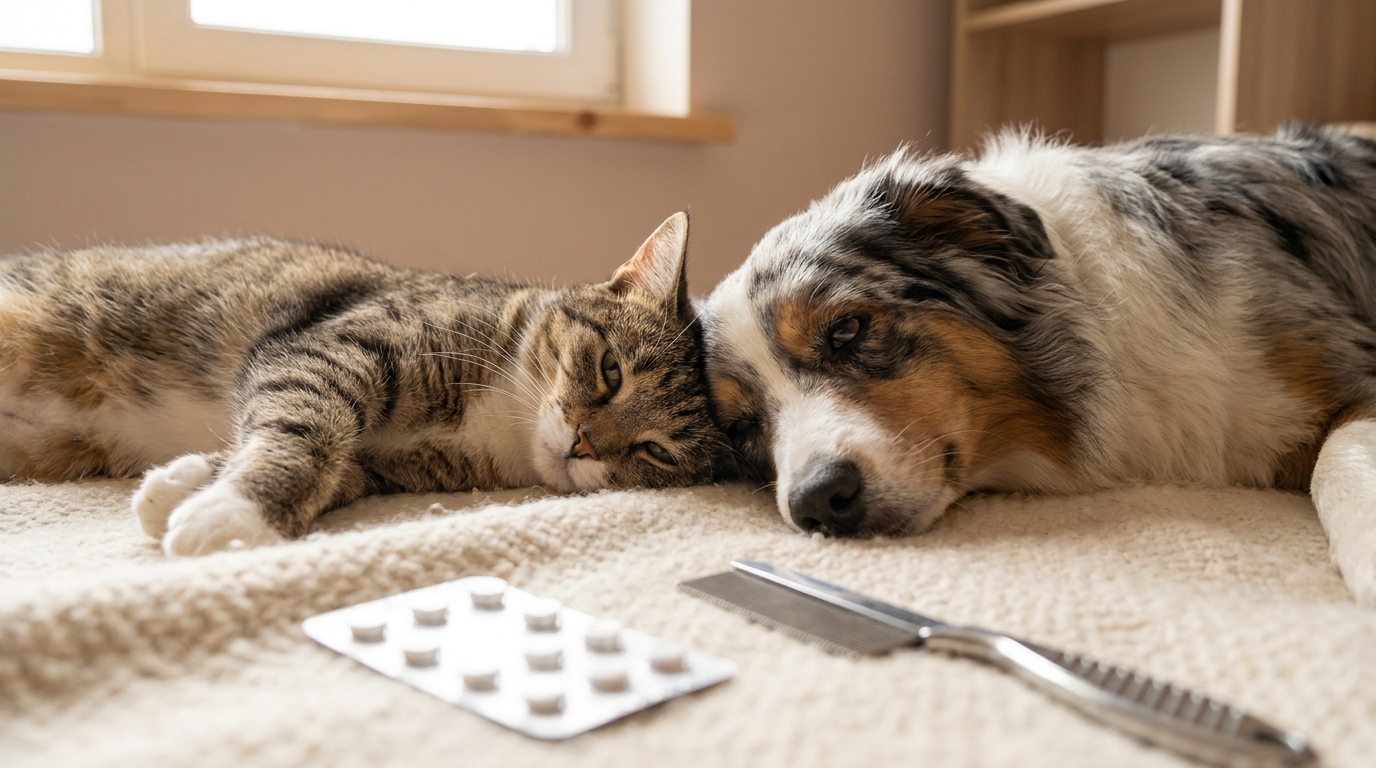
What to do in the first 24 hours
If you’re using Capstar because you just found fleas, the biggest difference-maker is what you do next. Use this simple checklist to reduce the chance of “fleas today, fleas again tomorrow.”
- Treat all pets in the household (as appropriate): Fleas move between animals. If only one pet is treated, others can keep the problem going. Use only products labeled for each species and weight.
- Give Capstar exactly as the label directs: Use the correct product for your pet and the correct weight range. Keep packaging so you can reference directions.
- Watch for immediate comfort changes: You may see increased scratching briefly as fleas become more active before dying; this can happen with fast-acting adult-flea products.
- Start your longer-term preventive plan: Capstar is designed for short duration (about 24 hours). Plan the next step so newly emerging fleas don’t keep reappearing.
- Clean the environment: Wash pet bedding and vacuum areas where your pet rests. Dispose of vacuum contents promptly to help reduce reinfestation pressure.
- Recheck in 24 hours: If fleas are still present or keep returning, it’s usually a sign the household flea life cycle is ongoing and you’ll need consistent follow-through (pet + home).
Quick tip: If you have multiple pets, align your flea strategy for all of them at the same time—treating only one pet often lets fleas persist and bounce between animals.
How to use Capstar in a real-life flea plan
The most common mistake shoppers make is treating Capstar like a complete flea program. Instead, it works best as the fast first step, paired with longer-duration prevention and environmental cleanup.
- Immediate adult-flea knockdown: Use Capstar when you see active fleas on your pet and want fast reduction.
- Ongoing prevention: Keep your pet on a consistent prevention schedule so new fleas don’t keep jumping on and reproducing.
- Home support: Focus on the places your pet spends the most time (bedding, favorite resting areas, carpets, and upholstered furniture). A thorough vacuum routine and washing fabrics can help reduce the overall flea burden in the home.
Think of Capstar as a “quick reset” button: it can lower the number of adult fleas fast, giving you a clearer starting point while you stay consistent with prevention and cleaning.
Capstar for dogs vs cats: choosing by weight
“Capstar for dogs vs cats” mostly comes down to two things: use the product labeled for your pet’s species, and choose the right weight range. Even when the active ingredient is the same, the correct selection and label directions are what matter for safe, effective use.
- Dogs: Choose the dog product and then match your dog’s current weight to the listed range on the package.
- Cats: Choose the cat product and match your cat’s current weight to the listed range on the package.
If your pet is right on the edge of a weight cutoff, weigh them (or use a recent accurate weight) before purchasing. When in doubt—especially for kittens, small dogs, seniors, or pets with ongoing health concerns—contact your veterinarian for product selection guidance.
To compare your options quickly and purchase the right match, start at the Capstar collection and select by pet type and size.
Safety, side effects, and when to contact a vet
Capstar is widely used, but any flea product can cause side effects in some pets. Follow the label directions exactly, including minimum age/weight guidance and any directions related to frequency of use.
Commonly reported short-term effects may include temporary restlessness, increased scratching, or mild stomach upset. Sometimes pets seem itchier at first because dying fleas can trigger brief irritation before they’re gone.
Contact a veterinarian promptly if you notice any of the following after giving Capstar (or any flea treatment):
- Repeated or persistent vomiting
- Diarrhea that is ongoing, severe, or contains blood
- Tremors, marked weakness, collapse, or unusual agitation that does not resolve quickly
- Breathing issues (rapid breathing, wheezing, labored breathing)
- Facial swelling, hives, or intense itching that suggests an allergic reaction
- Your pet is already ill, has a complex medical history, or you suspect they may have received the wrong product or weight range
When to skip and seek guidance first: If your pet does not meet the label’s minimum age/weight, is currently unwell, has a history of medication sensitivities, or you are unsure about combining products, check with a veterinarian before use.
Frequently Asked Questions
How fast does Capstar work?
According to the label, Capstar (nitenpyram) starts killing adult fleas within about 30 minutes in many pets, with effects designed to last about 24 hours. Individual response can vary, and you may see brief increased scratching as fleas become more active before dying.
Is Capstar enough to stop a flea infestation?
Usually not by itself. Capstar is designed to kill adult fleas on the pet, but it does not provide long-term protection or address flea eggs and larvae in the environment. For best results, pair fast knockdown with consistent prevention and home cleaning.
Can I use Capstar with other preventives?
Capstar is commonly used as a short-term add-on when you need immediate adult-flea knockdown while maintaining longer-duration protection. Always read and follow label directions for every product you use, and contact your veterinarian if you’re unsure what’s appropriate for your pet’s age, weight, or health status.
Ready to choose the right option? Shop Capstar at Sierra Pet Meds and get fast flea control support delivered to your door.