

Trying to decide if Valuheart is a smart pick for monthly heartworm protection? This Valuheart review covers what the product is designed to do, what it doesn’t do, and the safety checks that matter most before you start—so you can shop with confidence and build a plan that actually fits your dog.
Valuheart is often considered by pet parents who want straightforward heartworm prevention without bundled extras. That simplicity can be a plus, as long as you understand the limits of coverage and stay consistent month to month.
What Valuheart is and what it’s used for
Valuheart is an oral, once-monthly heartworm preventive for dogs. Its purpose is to help prevent heartworm disease when given on schedule as directed.
It’s important to be clear about what “heartworm prevention” means in practice: a monthly preventive is meant to stop heartworm larvae from developing into adult worms. It is not a general “all parasites” product, and it is not a substitute for routine veterinary care.
What Valuheart typically covers: heartworm prevention.
What it typically does not cover: flea and tick protection. If fleas or ticks are part of your dog’s risk profile, you’ll likely need a separate product as part of a broader parasite plan.
Some heartworm preventives also include coverage for certain intestinal parasites, but coverage can vary by product and labeling. The safest approach is to read the specific package insert for the exact Valuheart item you’re purchasing and confirm with your veterinarian if intestinal worm protection is a priority for your dog.
Safety and medical context to know first
Valuheart products use ivermectin as the active ingredient for heartworm prevention. Ivermectin has a long history of use in dogs, but it’s still a medication—so a few medical safeguards should come first.
- Heartworm testing matters: Many veterinarians recommend a heartworm test before starting a preventive, and re-testing can be especially important if your dog is new to you, has an unknown history, or has missed doses. Starting preventives without appropriate testing can create avoidable risk.
- Get veterinary guidance if doses have been missed: If you’re late on a dose, if your dog went months without prevention, or if you’re switching products, contact your veterinarian for the best next step for your dog’s situation rather than guessing.
- MDR1 sensitivity is a real consideration: Some dogs have a genetic mutation (often called MDR1) that can increase sensitivity to certain medications, including ivermectin. This is more common in some herding-type breeds such as Collies and related dogs. If your dog is a breed that may be at risk—or you’re unsure—ask your veterinarian about testing or safer alternatives.
- Use dog-only products as labeled: Never use a product intended for another species or split/combine products in a way the label doesn’t describe. If your dog’s weight has changed, re-check sizing.
If your dog is pregnant, nursing, very young, elderly, or has chronic health conditions or is on other medications, it’s also wise to confirm that heartworm prevention is appropriate and to discuss which option makes sense for your dog.
Pros, potential downsides, and who it fits
In a practical Valuheart review, the biggest appeal is simplicity: one monthly medication for heartworm prevention, selected by weight range. For pet parents focused on long-term affordability and a routine they can keep up with, that can be a strong fit.
Where Valuheart tends to fit best:
- Budget-focused households looking for a straightforward monthly heartworm preventive
- Dogs already covered for fleas/ticks with a separate product
- Pet parents who prefer simple routines and can track monthly dosing reliably
Potential downsides to consider:
- It’s not a “full parasite” solution: If you want one product that also targets fleas/ticks, Valuheart may not match that goal.
- Consistency is non-negotiable: The value of any monthly preventive drops quickly when doses are late or missed, because protection depends on a regular schedule.
- Sensitivity and side effects are possible: While many dogs do well, any medication can cause side effects. If your dog has reacted to preventives before, discuss options with your veterinarian before switching or starting.
When people search for Valuheart side effects, they’re usually trying to understand what to watch for after the first dose. Commonly reported medication side effects in dogs can include digestive upset (like vomiting or diarrhea) or low energy. Rare reactions can be more serious. If you notice concerning symptoms—especially neurologic signs like stumbling, disorientation, tremors, or unusual weakness—contact a veterinarian promptly.
How to choose between Valuheart products
Valuheart products are selected based on your dog’s weight range. Getting the correct size matters for both effectiveness and safety, so it’s worth doing a quick weigh-in before you buy—especially for growing dogs or dogs whose weight fluctuates.
When pet parents look for a “weight chart” or wonder which size to choose, the practical steps are simple:
- Use a recent, accurate weight: If you don’t have one, weigh your dog at home or during your next veterinary visit.
- Match the labeled weight range: Choose the package that aligns with your dog’s current weight, not an old number.
- Re-check for puppies and adolescents: Fast growth can push a dog into a new weight range within a short time.
- Ask your vet if your dog is near a cutoff: If your dog is right at the edge of a weight bracket, your veterinarian can guide you on the safest choice.
You can browse the full selection of Valuheart preventives to compare sizes and packaging options in one place.
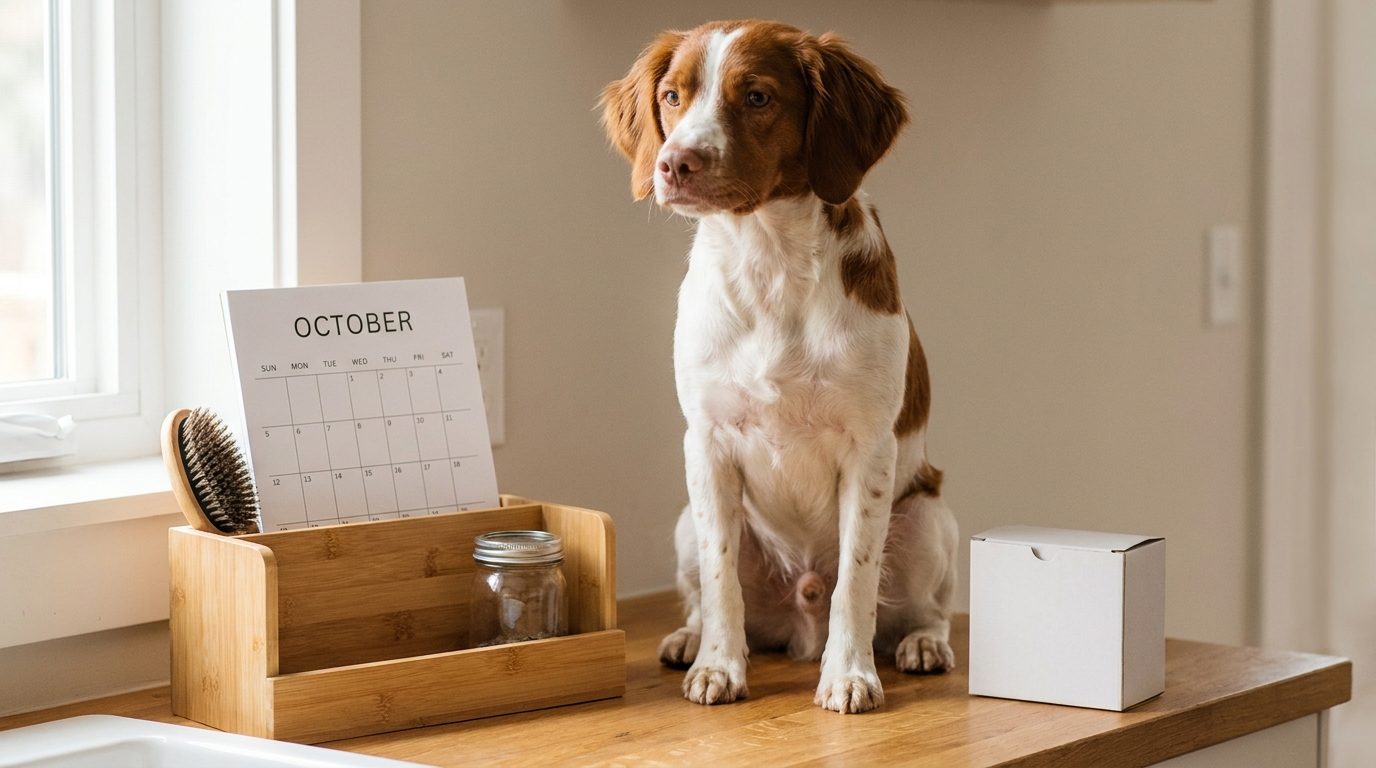
Quick tip: Pair dosing with a consistent monthly event you already remember (for example, a bill due date), and store the box where you keep your dog’s treats. After you give a dose, note the date in your calendar so you can spot late doses before they turn into missed months.
Buying tips: best practices for consistent protection
Shopping smart is part of making any preventive “worth it.” Before you buy, do a quick checklist so you choose the correct product and set yourself up for consistent, safe use.
- Confirm it’s for dogs: Keep pet medications organized and stored separately to prevent mix-ups between pets.
- Check your dog’s weight now: Don’t guess based on last season’s weight.
- Review expiration dates and packaging: Make sure the supply fits your plan and you’ll use it before it expires.
- Plan for year-round consistency: Heartworm prevention is most reliable when it’s uninterrupted.
If a dose is late: Don’t double up or improvise. Give your veterinarian a call for guidance—especially if the delay is significant, if you’ve missed more than one month, or if your dog’s heartworm testing isn’t current. Your vet may recommend testing and a specific restart plan based on your dog’s history.
Administration tips for easier monthly dosing:
- Give it with a small meal or treat if your dog tends to get mild stomach upset with medications (unless the label says otherwise).
- Make it a positive experience: Follow with praise, a walk, or a high-value treat so your dog stays cooperative over time.
- Watch to confirm it was swallowed: Some dogs “cheek” tablets and spit them out later.
- Monitor after the first dose: Especially if it’s your dog’s first time with ivermectin-based prevention or they’ve had prior reactions to preventives.
When you’re ready to buy, starting at the official brand page for Valuheart products makes it easier to stay consistent with the same size and packaging on reorders.
How it compares to other monthly heartworm-only options
Valuheart sits in the category of monthly, oral heartworm preventives that focus on heartworms rather than bundled parasite coverage. When comparing heartworm-only options, the most helpful factors to weigh are:
- Active ingredient and tolerance: If your dog has done well on ivermectin-based prevention before, that history may guide your choice. If you have concerns about MDR1 sensitivity or prior reactions, talk with your veterinarian about alternatives.
- Form and ease of giving: Some dogs do better with certain textures or formats. Choose what your dog will reliably take.
- Price and supply length: A multi-month box can be more convenient, but only if your dog’s weight range won’t change before you finish it.
- Your overall parasite plan: If you already have a separate flea/tick product you like, a heartworm-only option can keep the routine simple.
In other words, “worth it” usually comes down to reliable monthly use, the right weight range, and a plan that covers the other parasites your dog may face.
Frequently Asked Questions
Is Valuheart a good option if I only want heartworm prevention?
For many dogs, yes. Valuheart is designed for monthly heartworm prevention. Just keep in mind it doesn’t replace flea and tick protection, and you’ll want to confirm whether your specific product includes any intestinal parasite coverage by checking the label and asking your veterinarian.
How do I know which Valuheart size to buy?
Choose the product labeled for your dog’s current weight range using a recent weigh-in. If your dog is growing quickly or is near a cutoff, re-check weight often and ask your veterinarian if you’re unsure.
What should I do if a dose is late or missed?
Contact your veterinarian for individualized guidance, especially if more than one dose has been missed or your dog’s heartworm testing is not current. Avoid doubling doses unless your veterinarian specifically instructs you to.
What are possible Valuheart side effects?
Some dogs may experience mild digestive upset or temporary lethargy after dosing. More serious reactions are uncommon but require prompt veterinary attention. Seek help right away if you notice severe vomiting, collapse, trouble walking, tremors, or other neurologic signs.
Where can I buy Valuheart?
You can shop by weight range and compare packaging options on the Valuheart preventives page. If you’re starting for the first time, it’s a good idea to confirm heartworm testing and product choice with your veterinarian.
Ready to choose the right size? Shop Valuheart and build a consistent monthly routine—then talk with your veterinarian if you’re unsure how it fits into your dog’s full parasite prevention plan.