

Shopping for Troy products can feel simple—until you’re standing in front of a long list of shampoos, ear cleaners, supplements, and skin support options. This buyer’s guide breaks down what Troy is known for, how to choose the right pick for your pet, and what to expect in a practical Troy review. If you want vet-style basics that fit everyday routines, Troy is a brand worth understanding.
What Troy is best known for
Troy focuses on practical, clinic-style pet care essentials—think hygiene, skin and coat support, and day-to-day grooming helpers. The lineup is built around routine maintenance: keeping coats clean, ears fresh, and minor skin issues from becoming bigger hassles.
Medical note: Home grooming can support comfort, but it isn’t a substitute for veterinary diagnosis. If your pet has painful ears, a head tilt, strong odor, thick discharge, bleeding, open sores, or a widespread rash, skip at-home trials and contact your veterinarian.
In a typical Troy review, pet owners highlight convenience: products that are easy to apply, easy to rinse, and straightforward to work into weekly care. That said, “easy” doesn’t mean “one-size-fits-all,” so it helps to match the product format to your pet’s coat type and tolerance for handling.
If you’re browsing the brand catalog, start here: shop Troy products and note which items are labeled for grooming, skin care, or ear care so you can narrow your search fast.
Top Troy products (quick picks)
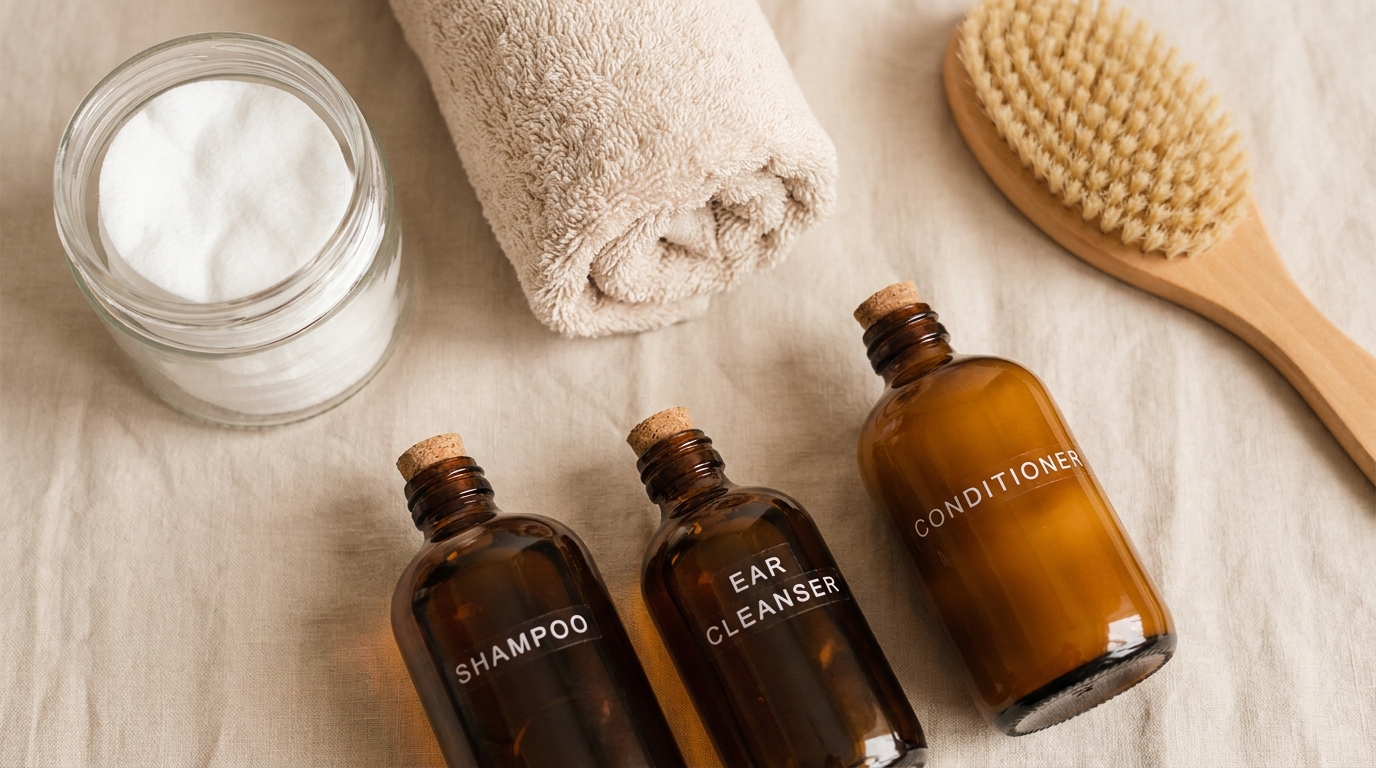
Below are common Troy staples shoppers look for when they want a simple grooming setup. Use these quick picks to match a product type to a real-life need—without overthinking it.
- Troy dog shampoo (everyday cleansing): A regular-use wash for normal coats and routine bath days. Best when your main goal is freshening and keeping buildup under control without making bath time complicated.
- Troy medicated shampoo (targeted wash days): A more targeted cleanser typically chosen when a pet is dealing with recurring skin concerns and your veterinarian has advised a structured bathing plan. Use exactly as directed on the label and monitor closely for dryness or irritation.
- Soothing or moisturizing shampoo: Helpful for pets who look flaky or feel dry after frequent washing. This is often a better first step than “stronger” cleansing if your pet’s skin seems easily bothered.
- Coat conditioner or coat polish (detangling and manageability): Ideal for longer coats, curly coats, or pets that mat easily. Conditioners support brushing, reduce tugging, and can make at-home grooming faster.
- Troy ear cleaner (routine ear hygiene): A dedicated ear cleanser for maintenance—especially useful for pets prone to waxy buildup or “stuffy” ears. Avoid using non-ear products in the ear canal.
To compare current options and label directions, browse the full Troy range and filter by the task you’re trying to solve (bath day vs. ear care vs. coat management).
Who Troy products are best for
Troy is a strong match for pet owners who want a reliable routine: bathing, brushing, ear cleaning, and coat upkeep without overcomplicating the process. If your pet is prone to greasy buildup, odor, seasonal itchiness, or frequent rolling in questionable things, consistent grooming products can make a noticeable difference in comfort and cleanliness.
These products can also be helpful if you’re already using parasite prevention and want the rest of your care plan to feel equally organized. Flea and tick protection is only one piece of the puzzle; clean skin, a healthy coat, and consistent hygiene reduce stress for both pets and owners.
When you’re ready to compare options, the Troy collection is easiest to shop when you decide first: “Is this for a bath day, between-bath freshening, ears, or general skin support?”
How to choose the right Troy item
Start with the problem you’re trying to solve, then choose the simplest product type that fits your routine. Shampoos and conditioners are best for full reset days, while sprays and wipes (when available) can help with quick touch-ups between baths.
- For odor and general coat refresh: Choose a gentle cleanser you can use consistently. An “everyday” Troy dog shampoo is often the easiest baseline because you can build a predictable schedule around it.
- For skin that looks flaky or feels dry: Lean toward soothing and moisturizing formulas, and consider pairing a shampoo with a coat conditioner for easier brushing and less friction on the skin.
- For ears: Pick a dedicated Troy ear cleaner intended for routine maintenance. If the ear looks very red, the smell is strong, or your pet seems painful, stop and check with your veterinarian.
- For pets with recurring skin issues: A Troy medicated shampoo may be appropriate when used according to label directions and your veterinarian’s guidance. “Medicated” doesn’t automatically mean better for every pet; it needs to match the situation.
- For sensitive pets: Favor mild, fragrance-light formulas and introduce any new product gradually to confirm your pet tolerates it well.
Format matters just as much as ingredients. A thick-coated pet may need a shampoo that spreads easily through dense fur, while a short-coated pet often does well with lighter formulas and quicker rinse time.
Quick tip: Before using any new grooming product all over, do a small test area first and watch your pet for scratching, redness, or fussiness over the next day.
How to patch test (simple step list):
- Choose a small area that’s easy to monitor, like the side of the neck or shoulder.
- Apply a tiny amount of diluted shampoo or a small dab of conditioner, then rinse and dry as directed.
- Over the next 24 hours, watch for redness, increased scratching, bumps, or discomfort.
- If irritation appears, stop use, rinse with lukewarm water, and contact your veterinarian if signs persist or worsen.
Finally, keep expectations realistic. Grooming and skin-support products are about comfort, cleanliness, and support—not instant transformations. Consistency (weekly or biweekly routines) typically matters more than chasing the “strongest” option.
Shopping checklist: what to verify before you buy
Use this quick checklist to prevent wrong-item purchases and make sure the product you choose fits your pet and your home routine.
- Species match: Confirm the label is appropriate for your pet type (cat vs. dog) before adding to cart.
- Life stage: If your pet is very young or older with more delicate skin, prioritize gentler options intended for frequent use.
- Coat type: Long, double, curly, or short coats can respond differently; choose what’s easiest to distribute and rinse thoroughly.
- Use case: Decide whether you need a bath product, a coat conditioner for manageability, or an ear care product—don’t rely on “multi-use” unless clearly labeled.
- Household tolerance: If anyone is scent-sensitive, choose lighter fragrances so regular use doesn’t become unpleasant.
- Time and handling: If your pet dislikes long baths, pick options that rinse cleanly and keep your routine short and predictable.
- Red flags check: For ears or skin, look first for warning signs (pain, open sores, strong odor/discharge, head tilt, widespread rash). If present, don’t “shop around” for stronger grooming products—seek veterinary advice.
If you’re building a simple kit, many owners do best with just two items: a regular-use shampoo plus a maintenance ear cleaner. From there, add targeted support (like a soothing option or coat conditioner) only if you’re actually using it consistently.
Frequently Asked Questions
Are Troy products suitable for routine grooming?
Many Troy items are designed specifically for regular maintenance, which makes them a practical choice for ongoing grooming routines. Always follow label directions and pick a formula that matches your pet’s skin sensitivity and coat type.
How often should I bathe my dog with a Troy dog shampoo?
It depends on your dog’s coat, activity level, and skin tolerance. Many pets do well with a consistent schedule (often weekly to every few weeks) using a gentle cleanser, while others need less frequent baths to avoid dryness. If you’re unsure, start less often and adjust based on coat feel, odor, and how the skin looks after drying.
How do I clean ears safely with a Troy ear cleaner?
Use only a dedicated ear cleanser and follow the label. In general, you’ll apply the cleanser to the ear canal opening, gently massage the base of the ear, then let your pet shake and wipe away visible debris with cotton or gauze. Avoid cotton swabs inside the ear canal. Stop and contact your veterinarian if your pet seems painful, the ear smells strong, or discharge is thick or persistent.
What should I do if irritation occurs after using a Troy medicated shampoo (or any new grooming product)?
Rinse thoroughly with lukewarm water and discontinue the product. Monitor for ongoing redness, hives, intense itching, or worsening discomfort. If signs are severe, don’t wait—contact your veterinarian for guidance, especially if there are open sores or your pet can’t settle.
Can I use a dog shampoo on a cat (or vice versa)?
No—stick to products labeled for your pet’s species. Cats and dogs can react differently to ingredients and fragrances, so choosing the correct label is the safest approach.
What’s the easiest way to choose between similar items?
Choose based on your main goal (odor control, soothing support, routine cleansing, coat manageability, or ear maintenance) and then pick the simplest format you’ll actually use. If you’re unsure, start with a gentle regular-use shampoo and adjust based on how your pet’s skin and coat respond.
Ready to shop with confidence? Browse the full Troy collection and choose the option that best fits your pet’s routine. If your pet has ongoing skin or ear concerns, chat to your vet before changing your care plan.