

Dog dementia can sneak up as small changes—restlessness at night, new anxiety, or getting “stuck” in corners. When cognitive changes begin, the goal isn’t perfection; it’s keeping your dog comfortable, confident, and safe. Here’s a practical approach to cognitive decline in dogs that fits into real-life routines.
Signs your senior dog may be struggling
Age-related cognitive changes often show up as behavior shifts rather than obvious illness. Many owners first notice senior dog confusion: wandering into a room and seeming unsure why they’re there, staring at walls, or hesitating at familiar doorways. Some dogs become clingier; others withdraw or seem less interested in family routines.
Common signs linked with dog dementia include disrupted sleep (awake and pacing at night), accidents in the house, increased vocalizing, and trouble recognizing cues they used to know. You may also see “getting stuck” behind furniture, aimless wandering, or slower responses to their name.
- Disorientation: pacing, getting trapped in corners, seeming lost in familiar places
- Sleep changes: restlessness at night, daytime sleepiness
- House training setbacks: accidents despite normal access outside
- Social changes: clinginess, irritability, less greeting behavior
- Activity shifts: reduced play, repetitive behaviors (licking, circling)
Keep a simple log for 1–2 weeks: what happened, when, and anything that seemed to trigger it (visitors, moved furniture, loud noises). Patterns help you spot what your dog needs and what to adjust first.
Rule out look-alike health issues first
Cognitive decline in dogs can look like several treatable problems, so it’s smart to think “whole-body” rather than “just behavior.” Pain, arthritis, dental disease, and decreased vision or hearing can cause avoidance, irritability, and nighttime wake-ups. Urinary issues and digestive upset can also lead to new accidents.
Medication side effects and changes in appetite or thirst can contribute to restlessness, confusion, or sleep disruption. If you notice sudden, severe changes—especially stumbling, head tilt, seizures, or rapid personality shifts—treat it as urgent.
Even when the diagnosis is age-related cognitive change, identifying and addressing contributing issues (pain, sensory loss, or GI problems) often makes daily life noticeably easier.
A home plan: routines, enrichment, and comfort
A predictable schedule is one of the most effective tools for supporting an aging brain. Feed, walk, and do potty breaks at consistent times to reduce anxiety and help your dog anticipate what happens next. Keep cues simple and consistent; give extra time to respond without repeating commands rapidly.
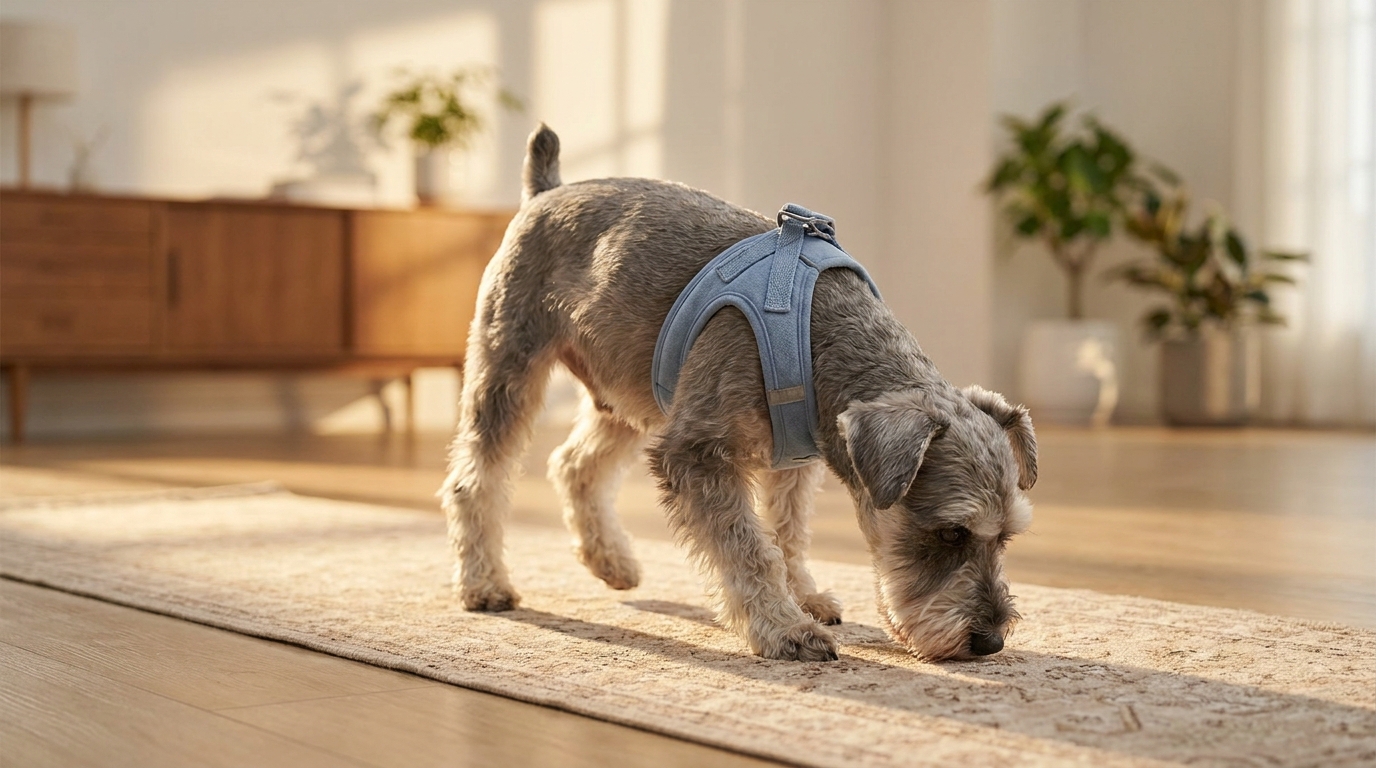
Enrichment should be easy wins, not frustration. Swap complex puzzle toys for low-effort sniffing games, scatter-feeding in a small area, or a gentle “find it” with a few treats placed in visible spots. Short, frequent sessions (3–5 minutes) often work better than one long activity.
Quick tip: If your dog seems overwhelmed, reduce choices—use one room for meals and rest, and keep toys to a small rotation so the environment feels familiar.
Support sleep with a calmer evening routine: a final potty break, a quiet chew, dim lights, and a consistent bedtime. White noise can help some dogs settle if they startle easily. If they pace, guide them gently to a comfortable spot rather than correcting them.
Nutrition can matter, but the best plan is the one your dog will actually eat consistently. Focus on regular mealtimes, easy-to-chew options if dental pain is suspected, and maintaining a healthy body condition to support mobility and confidence.
Make your home safer for an aging brain
When senior dog confusion increases, small home adjustments reduce stress and prevent accidents. Think “clear pathways and familiar landmarks.” Avoid rearranging furniture if possible, and keep high-traffic routes open so your dog can navigate without getting stuck.
- Traction: add non-slip rugs or runners in hallways and near food/water
- Lighting: use night lights for hallways and near the sleeping area
- Access: block stairs if balance is reduced; consider ramps for favorite spots
- Comfort zones: set up a quiet “home base” bed in a low-traffic area
- Easy potty plan: more frequent breaks; consider a consistent, well-lit route
If your dog seems anxious when separated, use baby gates to keep them near you rather than giving full-house access. Many dogs do better with a smaller, familiar space where they can locate water, beds, and exits quickly.
For dogs that wander, an ID tag and updated microchip details add peace of mind. Even indoor-only seniors can slip through a door during a moment of disorientation.
Don’t overlook parasite prevention in seniors
As dogs age, their daily comfort can be disrupted more easily by itch, skin irritation, and general malaise. Fleas and ticks can add stress through constant scratching, poor sleep, and hot spots—problems that can compound cognitive decline in dogs by reducing rest and increasing agitation.
Heartworm prevention also supports long-term wellness by helping protect the heart and lungs from avoidable strain. A senior dog already dealing with mobility changes or reduced stamina benefits from staying protected year-round.
If you’re restocking essentials, you can browse vet-grade preventives in the dog health collection and choose options that match your dog’s age, lifestyle, and preferences. Keeping parasite protection consistent is a simple way to remove one common source of discomfort that can worsen sleep and behavior.
For households with multiple pets, aligning everyone’s prevention schedule can make it easier to remember and helps reduce re-infestation risk. Consider setting a recurring reminder so doses don’t drift over time, especially when routines change.
Frequently Asked Questions
Is dog dementia the same as normal aging?
Not exactly. Normal aging may include slower movement and more sleep, while dog dementia involves noticeable changes in behavior, sleep-wake cycles, and orientation. If the changes interfere with daily life, it’s worth treating it as more than “just getting old.”
How can I help with nighttime pacing and restlessness?
Start with a consistent evening routine: calm activity, a final potty break, and a comfortable sleeping spot with a night light. Reduce stimulation late in the day and avoid frequent changes to the environment. If pacing is new or intense, look for triggers like pain, itching, or needing to go outside more often.
What are the best enrichment activities for cognitive decline in dogs?
Choose low-frustration options: sniff walks, simple “find it” games, and short training refreshers using familiar cues. Keep sessions brief and end on success so your dog stays confident. The best enrichment is the one your dog enjoys without getting stuck or stressed.
To support your senior dog’s comfort from the outside in, keep core care consistent—especially parasite prevention—and restock essentials in the Sierra Pet Meds dog shop. For personalized guidance on behavior changes, chat to your vet at your next visit.