

If you've ever shared a bite of dinner with your dog, you've probably wondered whether dogs can eat people food safely. The truth is, some human foods are perfectly fine for dogs in moderation — while others can be downright deadly. Knowing the difference can save you an emergency trip to the vet and keep your dog healthy for years to come.
Human Foods That Are Safe for Dogs
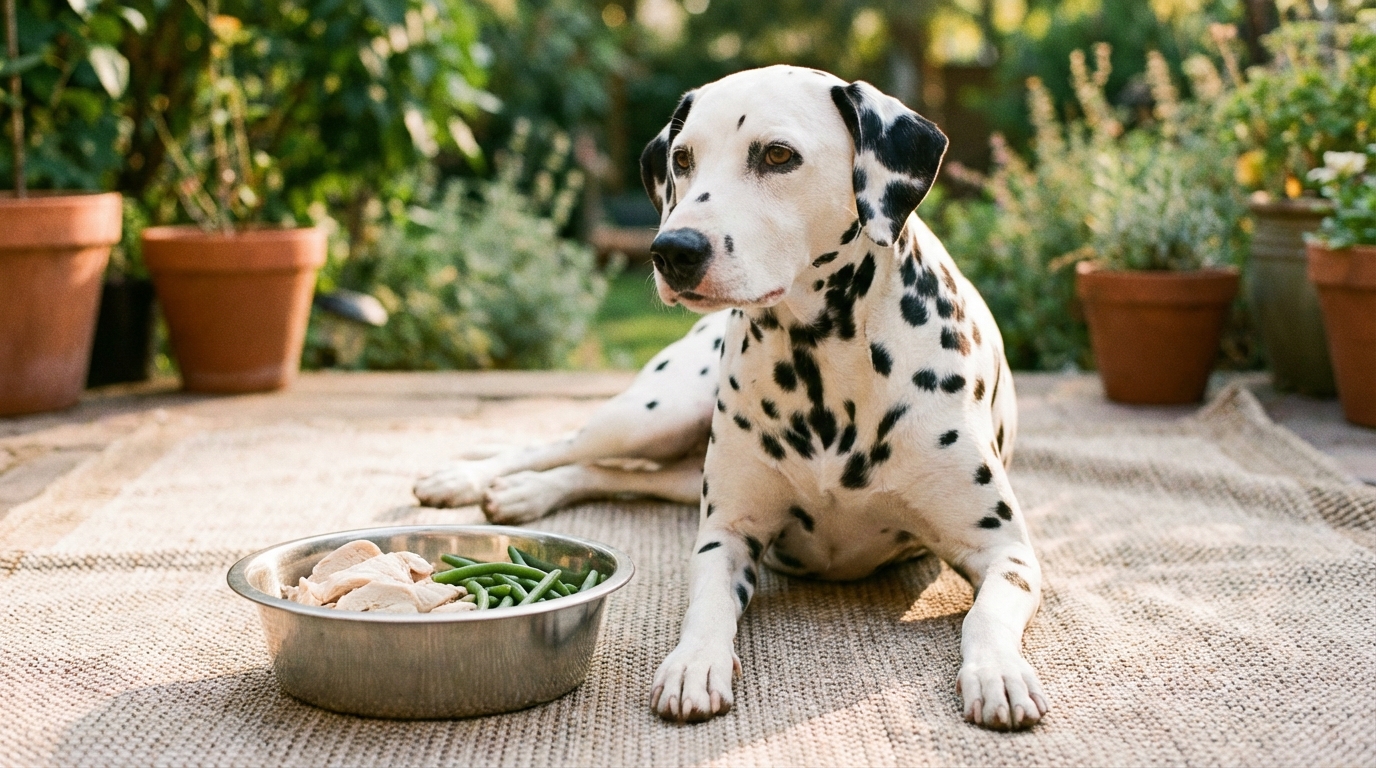
Many whole, unprocessed foods make excellent occasional treats for dogs. Plain cooked chicken, turkey, and lean beef are protein-rich options most dogs love — just make sure they're free of added oils, garlic, or heavy seasoning.
Fruits and vegetables can be great low-calorie snacks. Blueberries, watermelon (seedless), carrots, green beans, and sliced apples (without seeds) are all generally well-tolerated. These offer vitamins and fiber without the empty calories found in many commercial dog treats.
Plain cooked rice and plain pumpkin puree are classic go-to foods when a dog has an upset stomach. They're gentle on digestion and easy to prepare. Just avoid canned pumpkin pie filling, which contains sugar and spices.
Foods That Are Toxic to Dogs
Some human foods are genuinely dangerous, and even a small amount can cause serious harm. Chocolate is one of the most well-known offenders — the darker the chocolate, the more toxic it is. Theobromine, the compound responsible, can cause vomiting, seizures, and worse.
Grapes and raisins are another major hazard. Even a handful can trigger kidney failure in some dogs, and scientists still don't fully understand why certain dogs are more vulnerable than others.
Here are other common foods to keep far away from your dog:
- Onions and garlic — can damage red blood cells and cause anemia
- Xylitol (artificial sweetener) — found in sugar-free gum, candy, and some peanut butters; can cause a dangerous drop in blood sugar
- Macadamia nuts — can cause weakness, vomiting, and tremors
- Avocado — contains persin, which can cause digestive upset
- Alcohol — even small amounts are toxic to dogs
When in doubt, don't share it. The safest approach is to stick with foods you've confirmed are non-toxic.
How to Share People Food Responsibly
Even safe human foods should only make up a small percentage of your dog's overall diet. A widely used guideline is the 90/10 rule: 90 percent of your dog's daily calories should come from balanced dog food, and no more than 10 percent from treats or extras.
Always introduce new foods one at a time. This makes it easier to identify the culprit if your dog develops digestive issues like diarrhea or vomiting. Start with a very small portion and observe for 24 hours.
Quick tip: Cut human food into small, bite-sized pieces before offering them as treats. This reduces choking risk and makes it easier to control portions — especially for smaller breeds.
Avoid feeding your dog directly from the table. This encourages begging behavior and makes it harder to track how much extra food they're actually consuming throughout the day.
Hidden Risks: Seasonings, Bones, and Allergens
A plain piece of chicken breast is safe for most dogs, but chicken cooked with garlic butter and onion powder is not. Many of the dangers in people food come not from the main ingredient but from how it's prepared. Salt, sugar, garlic, and certain spice blends can all cause problems.
Cooked bones are another serious hazard that many pet owners underestimate. They can splinter and cause choking, internal punctures, or intestinal blockages. If you want to offer bones, look for raw or specially designed chew products intended for dogs.
Food allergies and sensitivities are also worth considering. Dogs can develop reactions to common proteins like beef, dairy, and wheat. Symptoms may include itching, ear infections, and gastrointestinal distress. If your dog shows signs of persistent skin or digestive issues, the culprit might be something in their diet.
Keeping Your Dog Healthy Beyond Diet
A safe diet is one pillar of good health, but it's not the only one. Parasite prevention plays an equally important role in keeping your dog feeling their best. Internal parasites like heartworm and external pests like fleas and ticks can undermine even the healthiest diet.
Year-round heartworm prevention is one of the simplest and most effective things you can do for your dog's long-term wellbeing. Heartworm disease is serious, expensive to manage, and entirely preventable with a consistent monthly routine.
Similarly, regular flea and tick protection prevents irritation, allergic reactions, and the transmission of dangerous diseases. Combining a nutritious diet with reliable parasite control gives your dog the strongest foundation for a long, active life.
Frequently Asked Questions
Can dogs eat peanut butter?
Most dogs can enjoy plain peanut butter in moderation. However, you must check the label for xylitol, an artificial sweetener that is extremely toxic to dogs. Choose unsweetened, unsalted varieties with no added ingredients.
What should I do if my dog eats something toxic?
Contact an emergency veterinary service immediately. Time matters with toxic ingestions, so don't wait for symptoms to appear. If possible, note what your dog ate and approximately how much, as this information helps the vet respond quickly.
Is it okay to give my dog leftovers every day?
Feeding leftovers daily is not recommended. Human meals are often too high in fat, salt, and seasonings for dogs, and regular table scraps can lead to obesity and nutritional imbalances. Stick to the 90/10 rule and offer only plain, dog-safe foods as occasional treats.
Feeding your dog the right foods — and protecting them from parasites — are two of the best investments you can make in their health. Browse Sierra Pet Meds' full range of preventative treatments to keep your dog covered year-round, and chat with your vet if you have specific dietary concerns about your pet.