

Fleas and ticks don’t wait for puppies to “grow up.” If your new pup is exploring the yard, meeting other dogs, or even just sharing spaces where pets have been, it’s smart to think about prevention early—without rushing into something that isn’t labeled for their age or size.
This guide explains the safest way to begin flea and tick protection, how to choose a format you’ll actually use consistently, and what to do if you spot fleas or a tick along the way.
Why starting early matters
Puppies can pick up fleas and ticks quickly from everyday places—shared outdoor areas, visitors’ pets, grooming tools, or simply walking through an area where parasites are present. Even a small number of bites can cause itching, skin irritation, and restless sleep, and some puppies can be especially sensitive.
Starting at the right time is less about “doing more” and more about reducing risk before parasites get established in your home. Prevention is also easier than response: it’s simpler to stick to a routine than to break a flea life cycle once eggs and larvae are in carpets, bedding, and favorite nap spots.
If you’re stocking up for a new pup, browsing a dedicated puppy supplies section can help you plan ahead with essentials that support a consistent prevention schedule.
Age and weight basics for first treatments
The “right time” to begin comes down to the product label and your puppy’s current size. Many flea and tick preventives are intended only for puppies that meet a specific minimum age and a specific minimum weight. Those limits are there for safety.
A practical way to decide when to start is to confirm three things before your first dose:
- Minimum age: Check the product packaging for the youngest age it’s intended for.
- Minimum weight and weight band: Use the range on the label; “close enough” can lead to mismatched dosing as your puppy grows.
- Puppy status: Make sure the product is labeled for puppies (not just small dogs) if your pup is still very young.
Because growth spurts happen fast, re-weigh your puppy regularly and check the label each time you re-dose. If your puppy is very young, small, recently adopted, or has any health concerns, it’s worth confirming your plan with your veterinarian—especially before combining parasite prevention with any other medications.
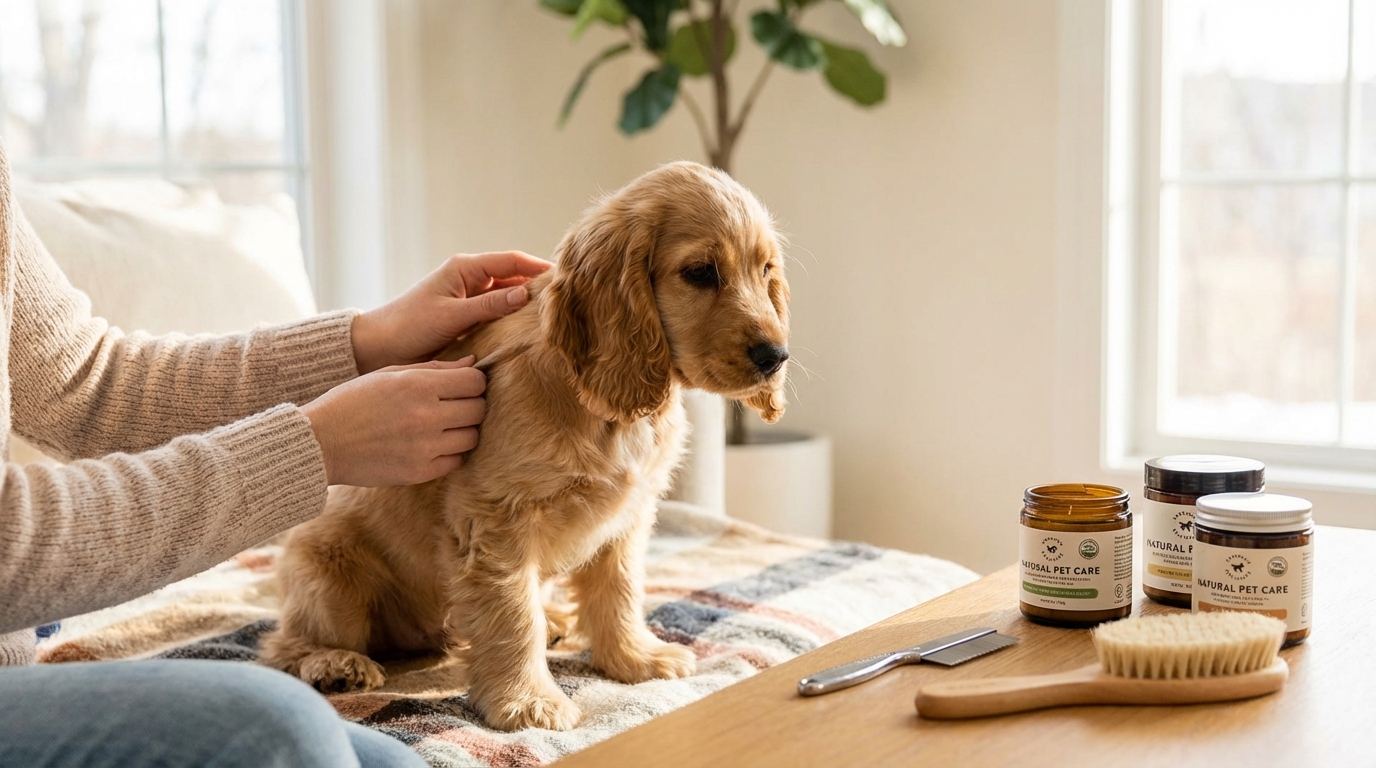
Choosing the right format for your puppy
For most households, the “best” option is the one you can apply correctly, on time, every time. Flea and tick preventives commonly come in topical, chewable, and collar formats. Each can work well when used as directed; the differences are mostly about lifestyle, handling, and household constraints.
| Format | What it’s like to use | Timing & schedule | Bathing/grooming considerations | Household fit |
|---|---|---|---|---|
| Topical (spot-on) | Applied to the skin; quick, but your puppy must stay still for application. | Follow the label for how soon it starts working and when to reapply. | Some require waiting before/after baths or swimming. Keep hands away until dry. | May be tricky with frequent baths, heavy rain exposure, or lots of close pet-to-pet contact right after application. |
| Chewable | Given by mouth; convenient for puppies that take treats reliably. | Follow the label schedule; set a reminder so doses don’t drift. | Not affected by bathing, but vomiting or refusal can interfere—ask your vet if that happens. | Good for households that bathe often; must be stored securely away from pets and children. |
| Collar | Worn continuously; can be low-maintenance once fitted correctly. | Longer-wear option; check the label for replacement timing. | Fit must be checked often as your puppy grows; remove as directed for certain grooming situations if the label recommends. | May not suit rough play, puppies that chew collars, or households with frequent collar-off handling unless you can keep it consistent. |
Whatever you choose, use only a product labeled for your puppy’s current age and weight. If you’re building a starter kit, it can help to pair prevention with grooming basics from puppy supplies so the routine feels like normal care rather than a special event.
Quick tip: Put a recurring reminder on your phone for the day you apply or give prevention. Add a second reminder for a quick weigh-in every 2–4 weeks while your puppy is growing, so you stay in the correct weight band.
Week 1: how to start the routine (simple checklist)
If you’re starting prevention for the first time, a short “week one” plan makes it easier to stay consistent and avoid common mix-ups.
- Day 1: Weigh your puppy and write it down. If you don’t have a pet scale, use a household scale (hold your puppy, then subtract your weight) for a rough estimate.
- Day 1: Choose one product format you can reliably use. Confirm the label’s minimum age and weight requirements before purchase and before use.
- Day 1–2: Start a prevention calendar (phone reminder, paper calendar, or notes app). Record the product name and the date given/applied so you don’t accidentally double-dose.
- Day 2–7: Do quick coat checks after outdoor time. This helps you learn your puppy’s “normal” skin and coat and spot issues early.
- End of week: Review your routine: Was it easy to give? Did bathing, daycare, or playdates make it harder? If yes, consider switching formats next month—with your veterinarian’s guidance—so you can stay consistent.
If you find fleas or ticks: what to do next
Finding a flea or tick can feel alarming, but a calm, organized response makes a big difference. Avoid improvised fixes (like essential oils or products not labeled for puppies), and focus on breaking the parasite life cycle safely.
- Check your puppy top to bottom: Look around the ears, under the collar area, between toes, under the tail, and along the neck and shoulders. Fleas move fast; ticks often latch in hidden spots.
- Treat all pets in the home: Fleas and ticks don’t stay on one animal. Using prevention on only the puppy often leads to repeat problems.
- Support your home environment: Wash pet bedding, vacuum floors and upholstered areas, and empty the vacuum canister/bag promptly. Repeat as needed to help remove eggs and larvae from the environment.
- Use puppy-safe grooming support: A bath and combing can help remove dirt and dead hair, but don’t rely on bathing alone for control. If you’re using a topical product, follow the label instructions about bathing timing.
- Know when to call the vet: Contact your veterinarian promptly if your puppy is very young or small, seems unwell, has pale gums or significant lethargy, has many parasites visible, has irritated skin that isn’t improving, or if you’re unsure what product is safe for your puppy’s age and weight.
Common mistakes (and how to avoid them)
Most setbacks come from timing gaps, label mismatches, or household mix-ups—not from lack of effort. These are the issues that most often derail prevention in growing puppies.
- Using the wrong weight range: Re-check weight before each dose window. Puppies can move into a new weight band quickly.
- Choosing a product not labeled for your puppy’s age: Age minimums are as important as weight. If your puppy doesn’t meet both, wait and ask your vet what’s appropriate now.
- Accidental double-dosing: Track dates and keep each pet’s products separate to prevent mix-ups.
- Gaps in coverage from schedule drift: Late doses can create windows for bites and hitchhikers. Use reminders and reorder before you run out.
- Bathing or swimming at the wrong time (for some topicals): Follow label directions so the product works as intended.
- Treating only the puppy during an active flea issue: If fleas are present, think “whole home”: pets, bedding, and floors.
When in doubt, let the label be your guardrail: minimum age, minimum weight, and the re-dosing interval are there to help you stay safe and consistent.
Frequently Asked Questions
What’s the earliest a puppy can start flea and tick prevention?
There isn’t one universal answer because different products have different minimum ages and minimum weights. Check the exact label for the product you’re considering, and confirm with your veterinarian if your puppy is very young, very small, or has any health concerns.
Can I use a small-dog product on a puppy if the weight matches?
Not always. Weight matters, but age labeling matters too. If the product isn’t labeled for puppies at your pup’s current age, choose an option that is (or ask your vet for guidance). Puppies aren’t simply “small adult dogs.”
Do I still need tick checks if my puppy is on prevention?
Yes. Preventives can reduce the chance of ticks becoming a problem, but quick checks after outdoor time help you find hitchhikers early and spot skin irritation before it gets worse.
What if I’m not sure which format to start with?
Pick the option you can do correctly and on schedule, then reassess after a month. If bathing, daycare, or handling makes your first choice inconvenient, switching formats can improve consistency—just confirm product timing and minimum age/weight requirements and check with your veterinarian when needed.
Ready to start a simple routine that fits your pup’s age and growth? Shop essentials in our puppy supplies collection and keep your prevention schedule on track; if you’re unsure what’s best for your puppy’s situation, chat to your vet.