

Health changes in older cats can be subtle—until they aren’t. A few simple checks at home, plus routine veterinary screening, can help you spot problems earlier and keep your cat comfortable for years. Use this guide as a practical senior cat checkup routine you can repeat week after week.
When is a cat considered senior?
Many cats are considered senior somewhere around 7–10 years old, with many entering “geriatric” years at 11–14+. The exact timeline varies based on genetics, body condition, lifestyle, and existing medical issues.
What matters most is recognizing that wellness can shift faster as cats get older, and small issues can have a bigger impact than they did before. Instead of waiting for obvious symptoms, set a rhythm: a quick weekly health scan at home, plus scheduled veterinary exams.
How often should seniors see the vet? Many veterinarians recommend twice-yearly wellness exams for older cats. These visits may include screening tests (based on your cat’s history and exam findings) that can catch changes earlier than you can see at home.
A simple at-home head-to-tail check
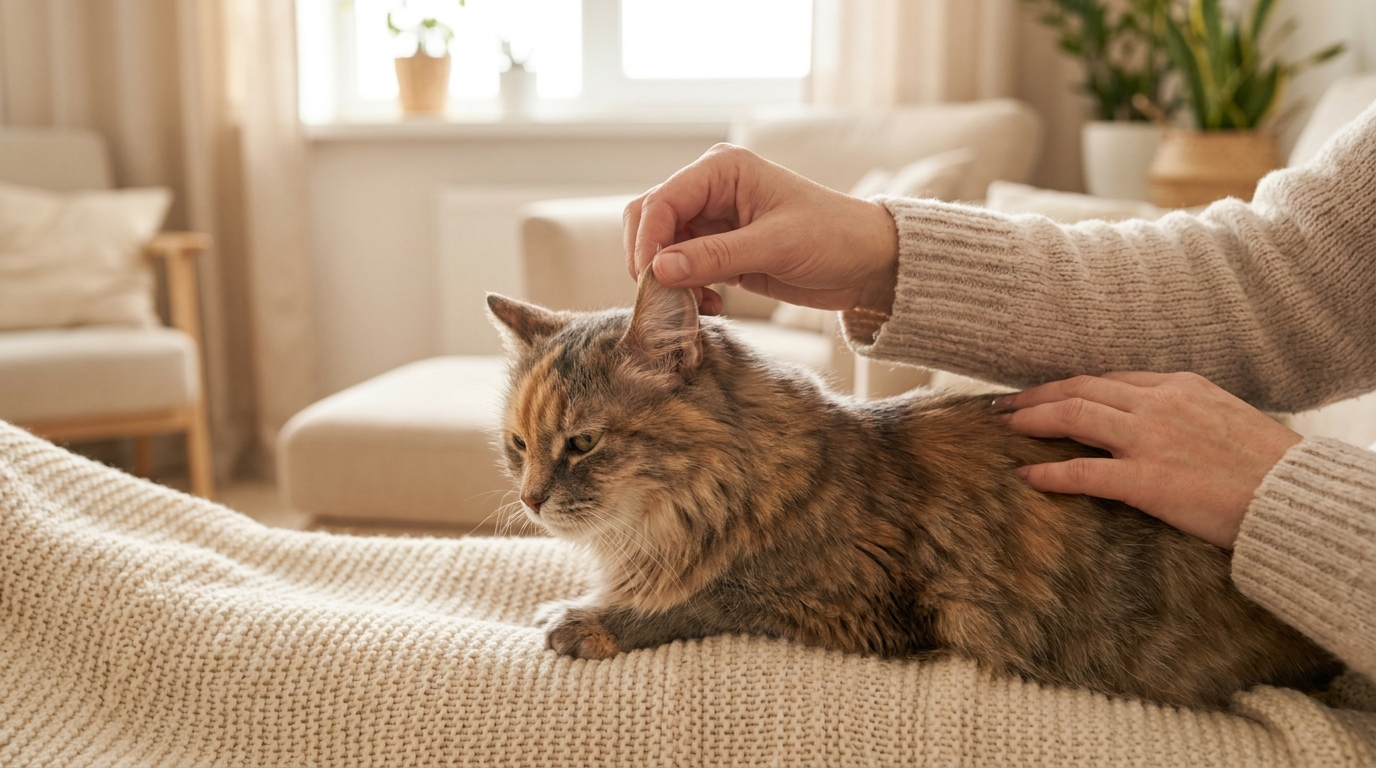
A calm, 2-minute weekly check can uncover changes you’d otherwise miss. Pick a quiet time when your cat is relaxed, then follow the same steps each week so differences stand out.
- Eyes and nose: Look for new cloudiness, squinting, discharge, crusting, or a change in pupil size.
- Ears: Notice odor, redness, dark debris, head-shaking, or sensitivity when touched.
- Mouth: Check for bad breath, drooling, pawing at the face, or reluctance to chew.
- Body and skin: Feel for new lumps, scabs, dandruff, or sensitive areas when you pet (especially along the back and hips).
- Breathing: At rest, breathing should look easy—not heaving, open-mouth, or noisy.
If you find something new, take a quick phone photo and note the date. A simple log (a notes app works) makes your weekly check far more useful over time.
Medical note: This guide doesn’t replace veterinary advice. Seek urgent veterinary care if your cat has open-mouth breathing, cannot urinate/strains without producing urine, or sudden collapse/extreme weakness.
Watch weight, appetite, thirst, and the litter box
Small trend changes are often the first warning sign in an older cat’s overall health. You don’t need perfection—just consistency so you can spot shifts early and share clear information with your veterinarian.
- Weight: Weigh monthly if possible. Unplanned weight loss can be easy to miss under a fluffy coat.
- Appetite: Track how fast meals disappear and whether your cat starts “grazing,” begging, or ignoring food.
- Water intake: Increased drinking can be worth investigating, especially when paired with larger urine clumps.
- Urination: Watch for frequent trips, straining, accidents outside the box, or blood-tinged urine.
- Stool: Note constipation, diarrhea, unusually small stools, or stool stuck to fur around the rear.
Quick tip: Scoop daily and take a 10-second look at clump size and stool consistency—this is one of the most practical weekly checks you can do.
Also consider the setup. Low-entry boxes, a second litter box in a quiet area, and unscented litter can reduce accidents and stress. Many “behavior” concerns in a senior cat are actually comfort, mobility, or medical issues.
Mobility, mouth, coat, and claws: common senior pain clues
As cats age, they often hide discomfort. Instead of obvious limping, you may see subtle routine changes—especially around jumping, grooming, and sleeping positions.
- Mobility: Hesitation before jumping, choosing lower surfaces, slipping on floors, or trouble with stairs can suggest stiffness.
- Grooming and coat: A greasy back, dandruff, matting, or overgrooming one area can point to pain, skin irritation, or reduced flexibility.
- Claws: Older cats may need more frequent nail trims because they scratch less or nails thicken and snag.
- Teeth and gums: Dental discomfort can show up as dropping kibble, chewing on one side, yowling when eating, or a suddenly picky appetite.
Support comfort at home with stable “step-ups” (like a sturdy stool), soft bedding, and regular gentle brushing. These small changes can improve day-to-day quality of life and make it easier for you to notice new issues.
Preventive care routine that supports healthy aging
Senior cats still benefit from consistent prevention—sometimes more than ever—because their resilience can be lower. A steady routine also makes changes easier to spot, since you aren’t constantly switching foods, litter, or daily habits.
Include parasite prevention as part of your plan. Fleas can trigger itching and skin infections, and some parasites can affect overall wellness—especially in multi-pet homes. If you’re updating your routine, browse vet-grade options in our cat health and prevention collection and choose products that match your cat’s age and lifestyle.
Next, focus on “comfort maintenance” that supports healthy aging:
- Hydration support: Offer multiple water stations or a pet fountain if your cat prefers moving water.
- Nutrition consistency: Avoid abrupt diet changes; transition slowly and watch stool quality, appetite, and energy.
- Environmental ease: Keep food, water, and litter easy to reach, and reduce slippery floors near favorite spots.
Finally, plan ahead so you don’t miss a dose or run out of essentials. Many owners find it simpler to keep prevention on schedule by selecting their basics from the shop all cat medications and preventatives page and setting a reminder.
Frequently Asked Questions
How often should I do at-home checks for an older cat?
A quick weekly check works well for most households, with a monthly weight check if you can manage it. Consistency matters more than complexity—look for trends, not one-off quirks.
What are early signs that a senior cat’s health is changing?
Common early clues include subtle weight loss, increased thirst, changes in litter box habits, reduced jumping, hiding more than usual, or changes in grooming. If your cat seems “fine” but is acting noticeably different for more than a few days, take notes and schedule a checkup.
Do senior cats still need flea, tick, or heartworm prevention?
Many senior cats benefit from staying protected year-round, especially if they share space with other pets or spend time outdoors. Talk to your veterinarian about which option fits your cat’s age, health history, and lifestyle.
Ready to refresh your routine? Stock up on vet-grade prevention and essentials in our cat shop, and for any new or persistent symptoms, talk to your vet.